
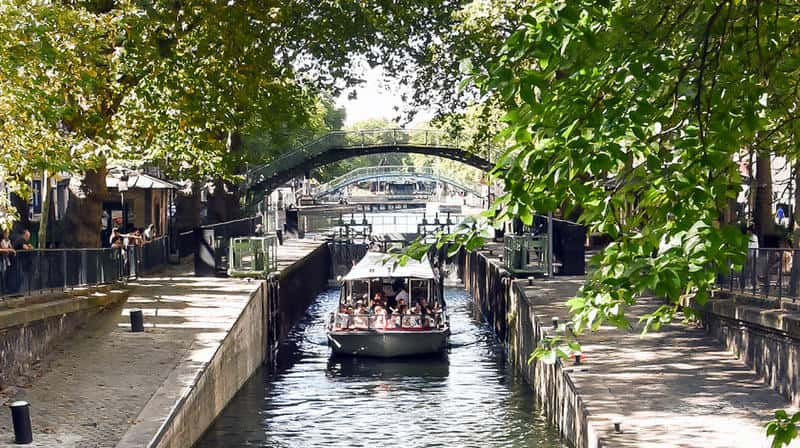
A crowd has gathered on a cloudy day to observe what is going on at the Canal Saint-Martin in Paris. Everyone was unable to take their gaze away from the scene unfolding in front of them. They all wanted to see the murky waters recede as the authorities drained the river. What had been lurking in the canal’s waters all this time? They discovered things about the canal after two centuries that they had not anticipated in the least. What did they find down there, exactly?
They Were In Awe By What The Water Revealed After Draining A 200-Year-Old Parisian Canal
It Was Time To Drain It
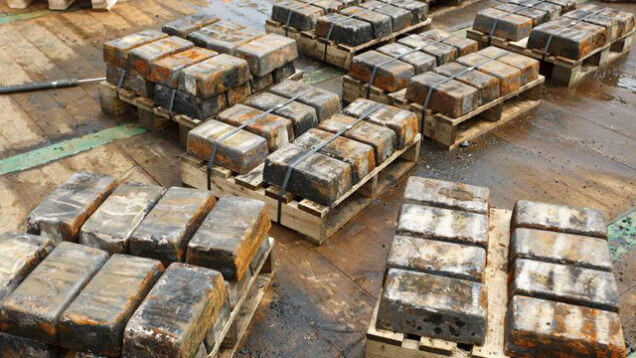
As the murky waters receded, the authorities took a look at them. It’s not every day that you discover the secrets of the ocean’s depths. As the building’s floor became visible, residents learned about a new chapter in the city’s history. Let’s say none of them expected to come across what they did.
It Was Time To Drain It
An Important Source Of Water
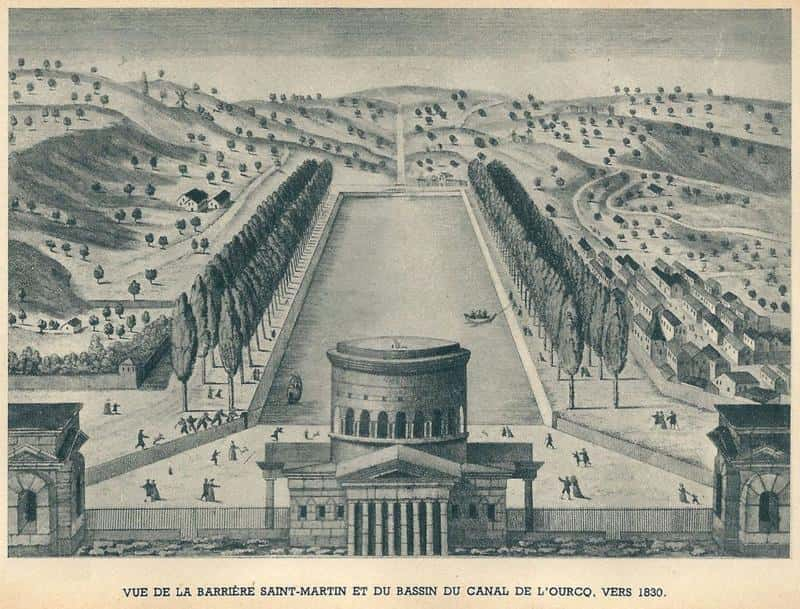
The canal is 4.5 kilometers in length. It was completed after Napoleon Bonaparte gave his approval to the project. This canal was built primarily to provide safe drinking water to Paris’s 550,000 residents. However, he was well aware that the population would almost certainly continue to grow in the future.
An Important Source Of Water
A Lot More To It Than That
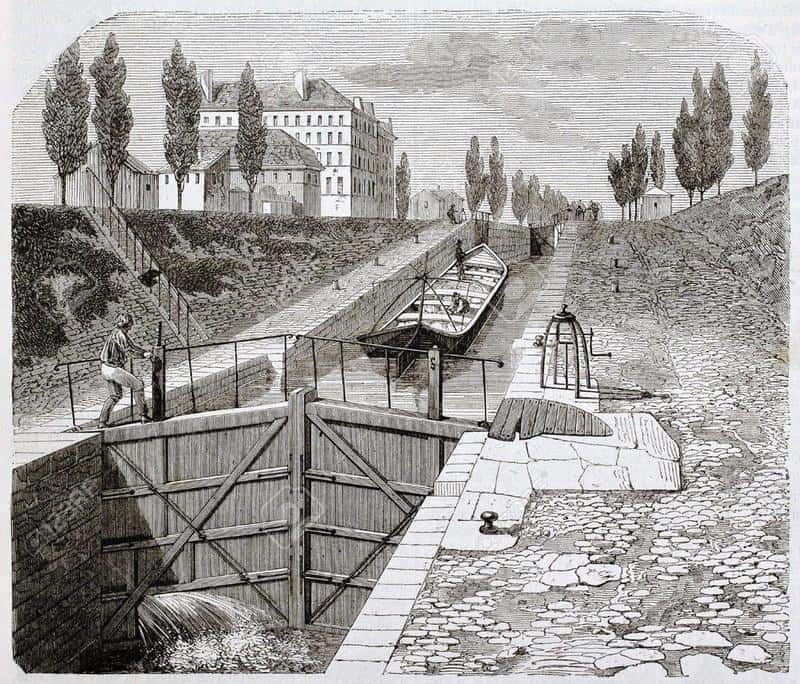
Furthermore, he hoped that having access to clean water would help control the city’s health issues. Back then, there were numerous reports of cholera and dysentery. The Canal Saint-Martin encircles the city for nearly three miles. It also delivered food and building materials to Parisians all over the city at the time.
A Lot More To It Than That
Its Fascinating History
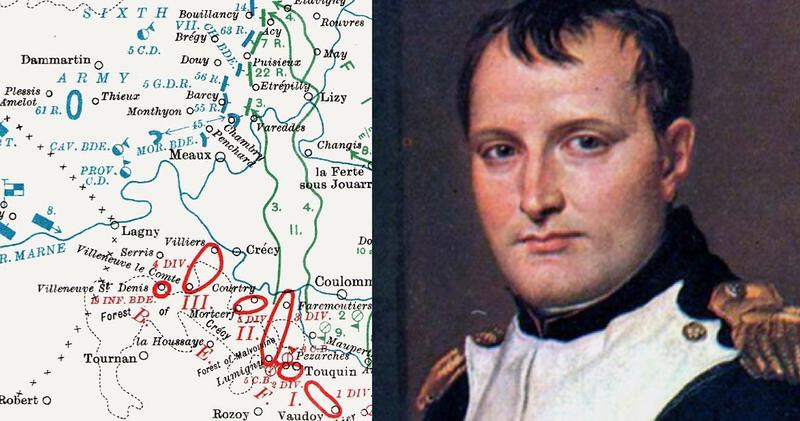
Two canals were built with the same purpose in the decades that followed. The Canal Saint-Denis and the Canal de l’Ourcq were being built by authorities. The latter was 3.4 meters wide and 108 kilometers long. It ran from Port-Aux-Perches to the Bassin de la Villette, where it joined the Canal Saint-Martin. It’s best if you remember that they’re all a few hundreds of years old.
Its Fascinating History
During The French Revolution
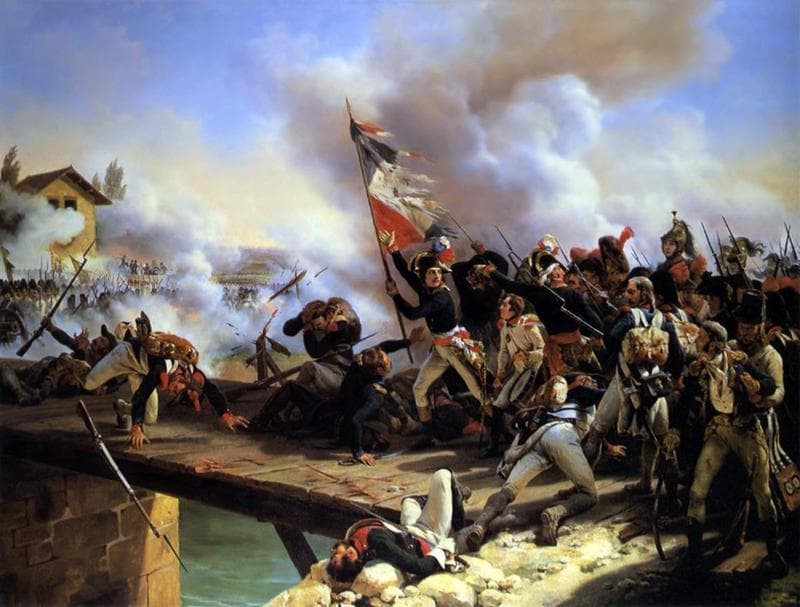
The Canal Saint-Martin is the most well-known of the three. From the Bassin de l’Arsenal to the Place de la Bastille, it ran beneath the ground. Many people are familiar with the latter as pivotal events during the French Revolution, from 1789 to 1799. This was the scene of an unexpected attack on the prison. As you can see, it has a long and illustrious history. It was for this reason that people were eager to see what lay beneath the surface.
During The French Revolution
What The Canals Are Like Now
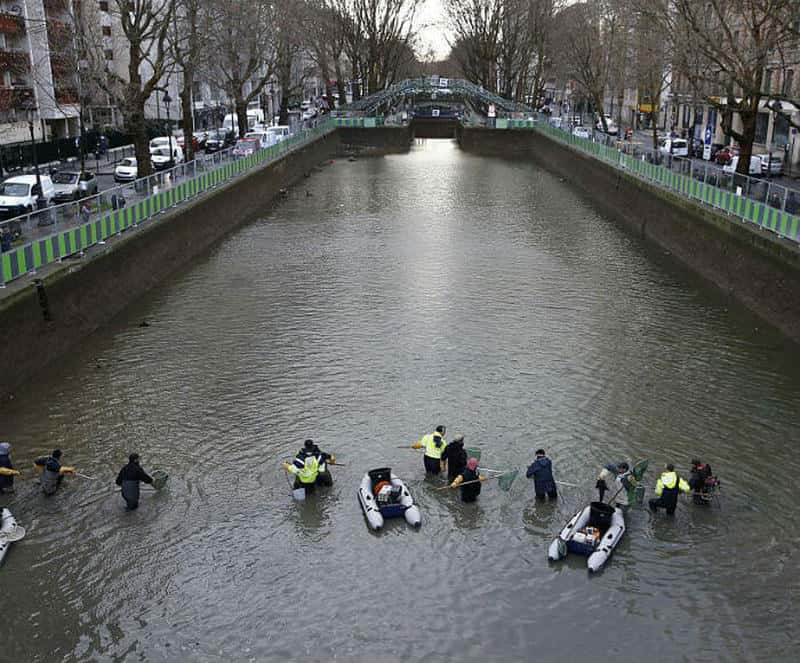
Locals and tourists alike frequent the canal nowadays. Young Parisians frequently congregate along the banks of the Seine and in the cafes that surround them. Tourists, on the other hand, prefer to photograph historical sites and bridges. Why, then, did the authorities decide to drain the water?
What The Canals Are Like Now
All The Weird Things At The Bottom
The canal has certainly seen a lot of changes in its two centuries of existence. Every ten to fifteen years, authorities attempt to empty it. They’d get rid of everything that had accumulated at the bottom. This was not, however, a routine clean-up. What was it about this time that was so different?
All The Weird Things At The Bottom
The Draining Procedure
Paris, also known as the City of Light, hides many big secrets. The murky waters of this canal obscured some of them. What lay beneath their beloved Canal Saint-Martin piqued the interest of Parisians. The draining operation was being observed from afar. What would they find if they went there?
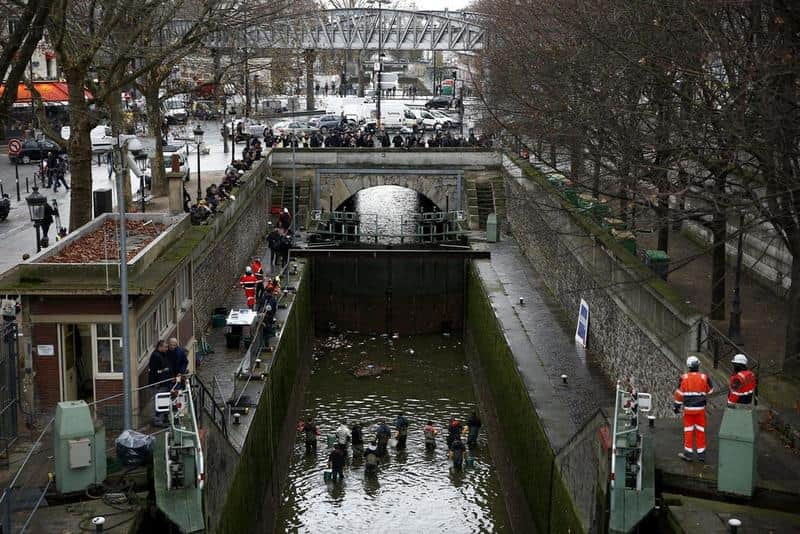
The Draining Procedure
Waste From The First World War
The canal was drained for the first time in 2001. They were able to remove over 40 tons of waste from the water at the time. Bullets, bombshells, and gold pennies from the First World War were among the fascinating finds. Not only that, but they also discovered a car from the same period. It’s been a long time since that happened. What else might they come across in the water?
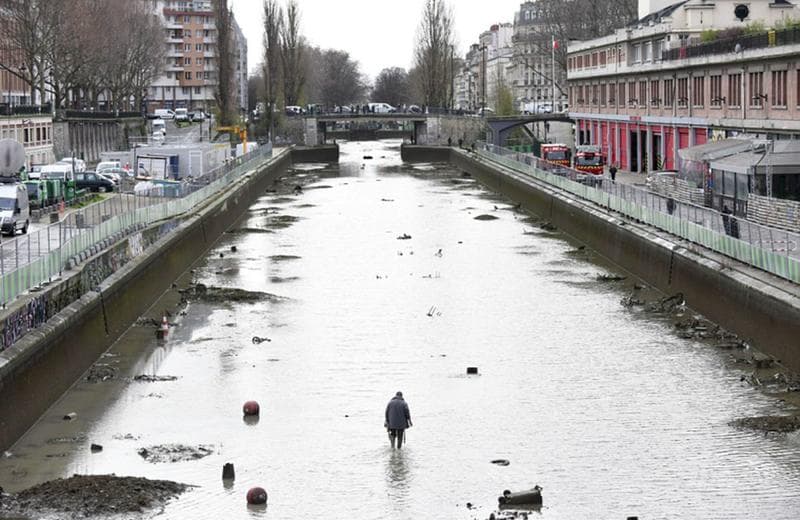
Waste From The First World War
How Much It Cost Them
The massive task of draining the canal began. It would take three months to remove approximately 3 million cubic feet of water. Although the city had to spend more than $10 million on this, it was necessary. The crowd was eager to find out what had been hidden in the canal all this time…
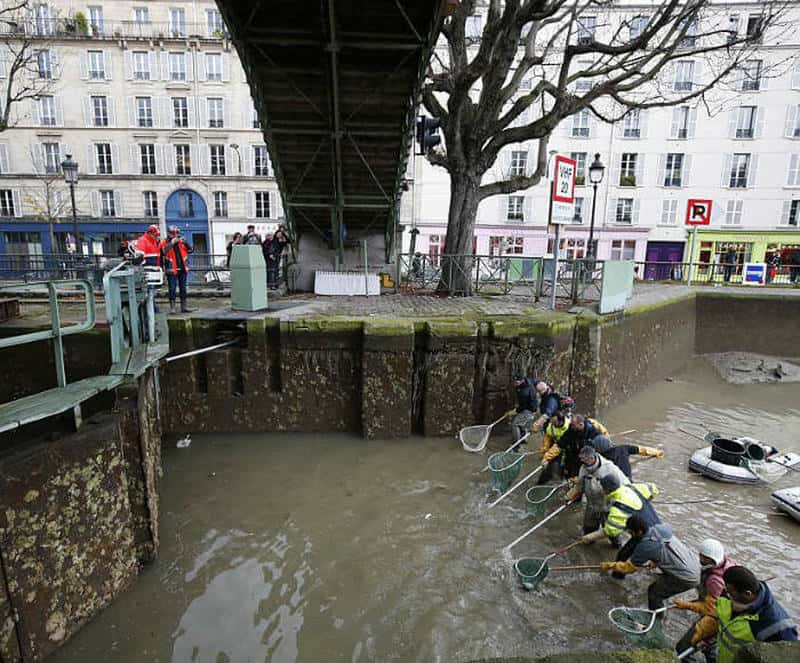
How Much It Cost Them
People Gathered To Look
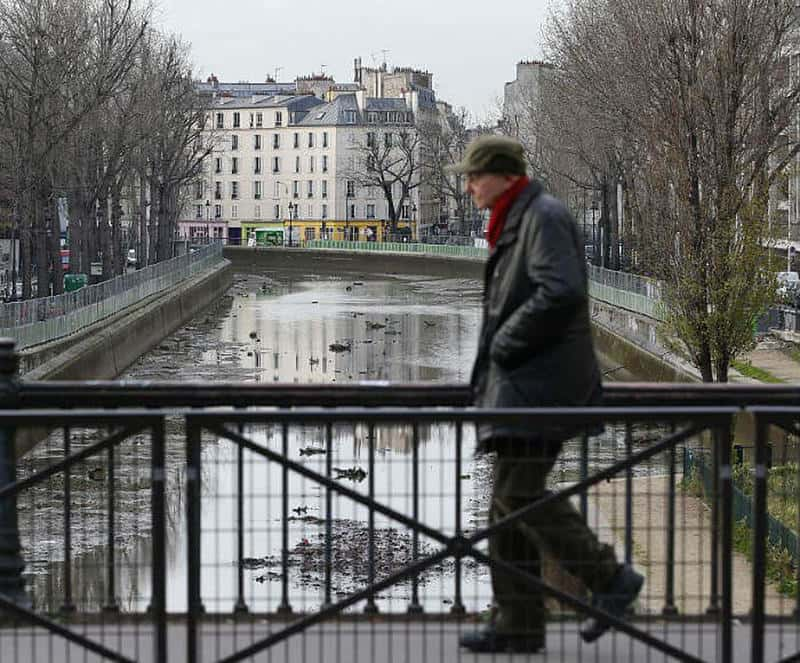
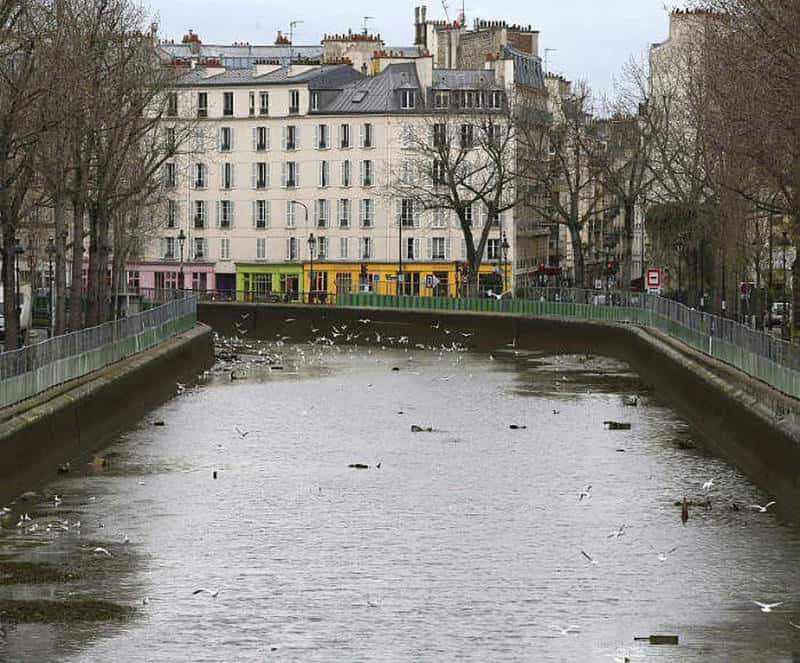
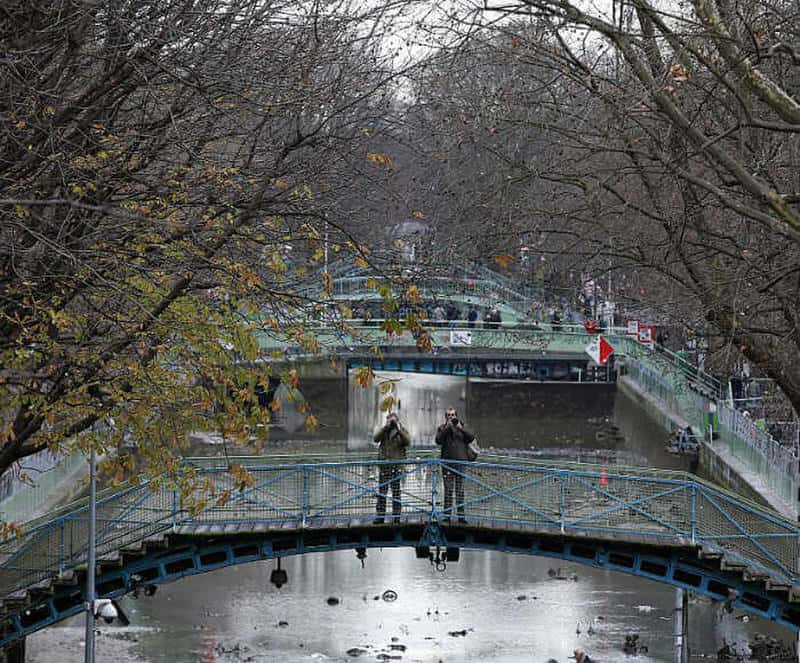
They had drained the canal’s remaining water on January 7. After 15 years, the waterway’s secrets were finally being revealed. The bridges attracted people from all walks of life. They wanted to look into what the authorities had discovered. Curiosity was killing everyone.
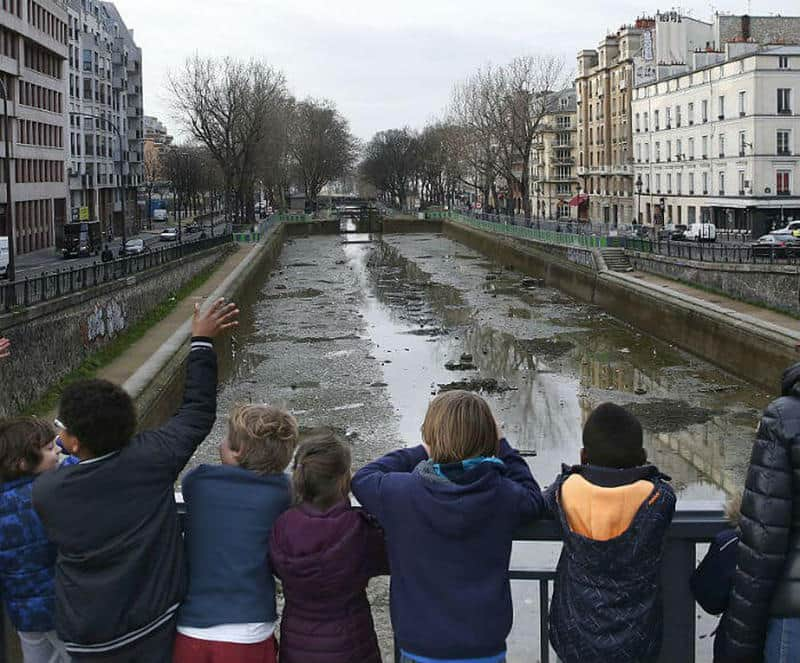
People Gathered To Look
A Surreal Moment
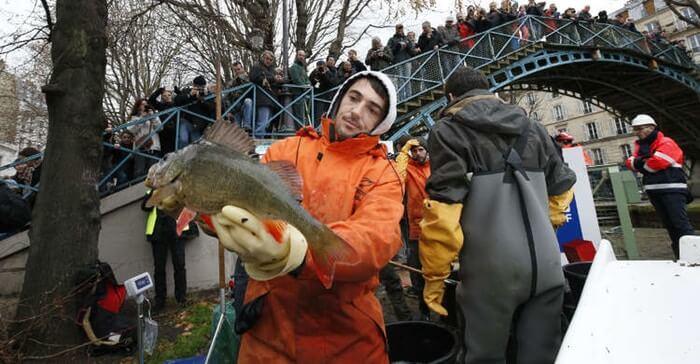
It had to have been a huge occasion. After all, it’s not every day that you get to see the Canal Saint-Martin without any water. People couldn’t believe what they were witnessing. The sight of the canal’s bottom was surreal. They were all curious about what was on the canal’s floor.
A Surreal Moment
The Living Things In The Water
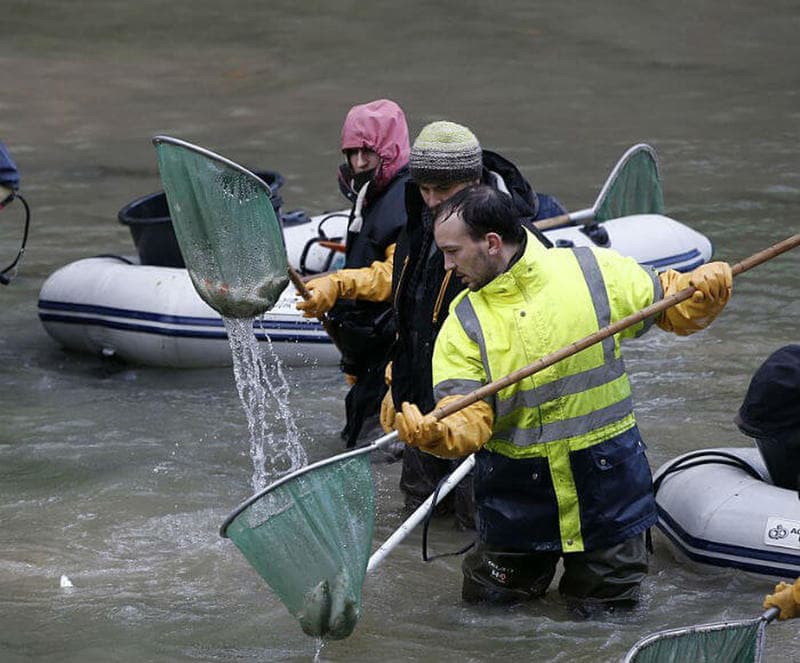
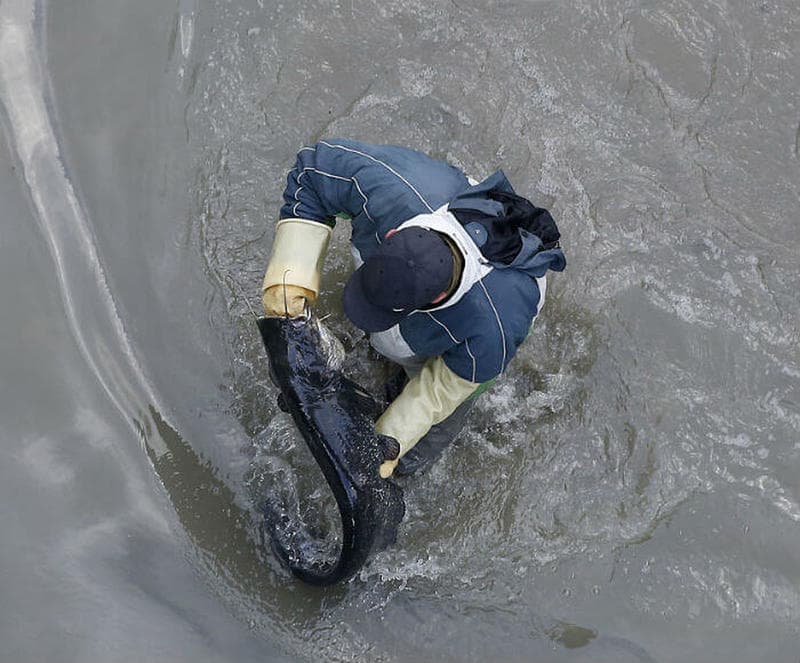
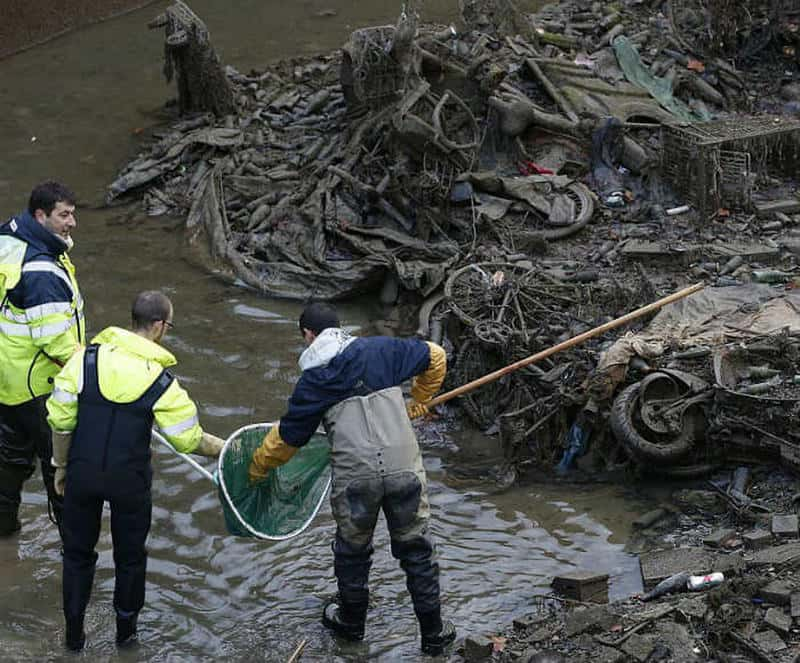
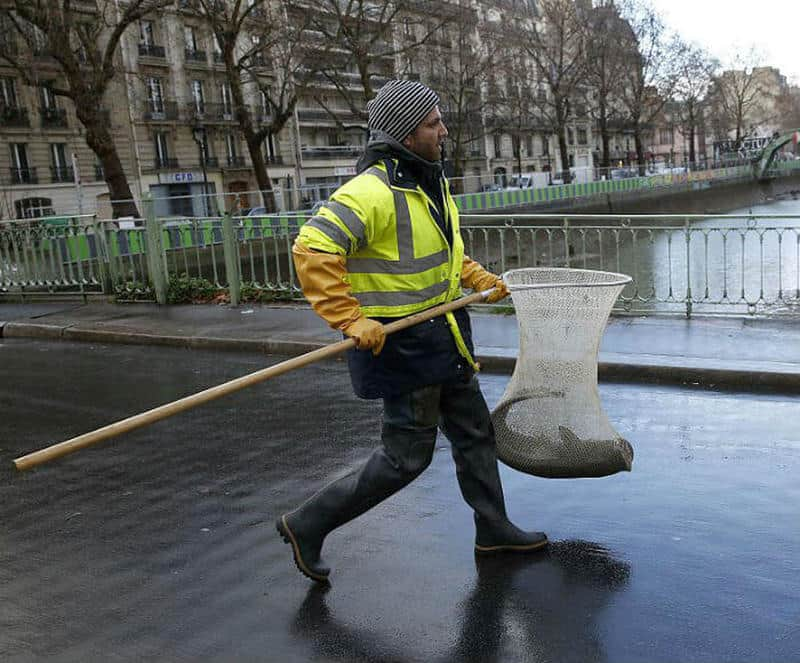
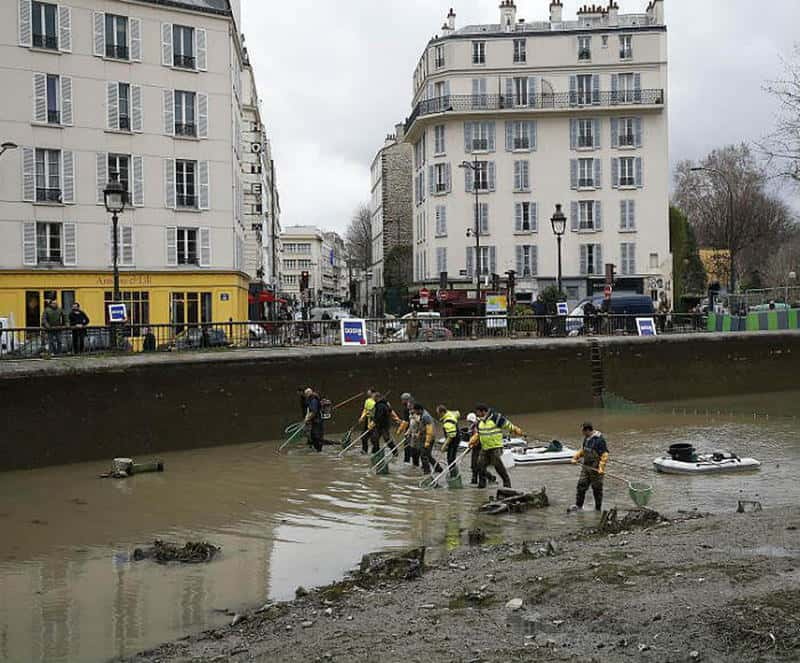
The workers had to drain the canal until only 50 cm of water remained. They waded through the canal, searching for the items and living “things” that had taken up residence there. Around five tons of carp, trout, and bream were caught by the working crew! They then relocated the fish to better breeding grounds. Before relocating the fish, they carefully weighed and identified it. Even though the new location would not be ideal for them, it was still preferable to the alternative.
The Living Things In The Water
People Threw Garbage Into The Water
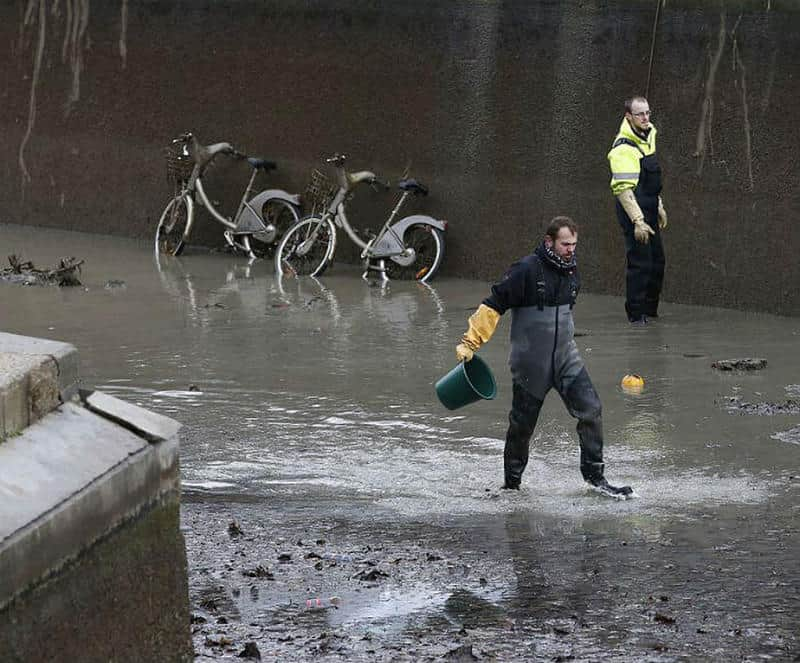
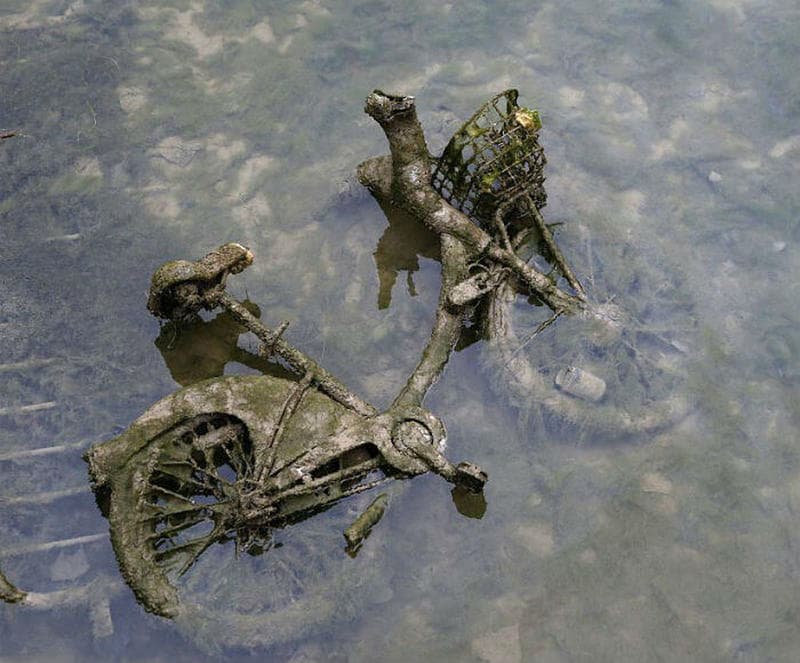
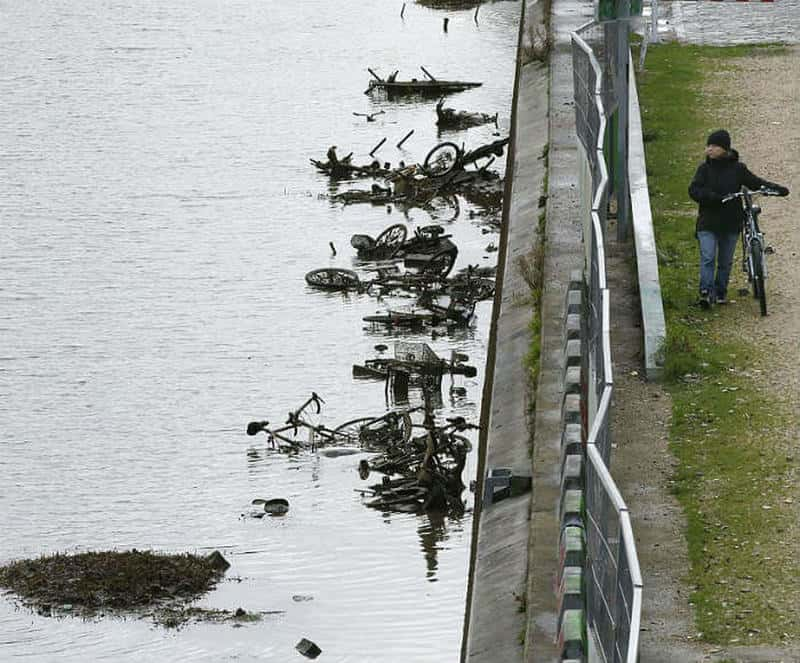
Various common objects found their way into the water’s depths. Among other things, there were bikes. They turned out to have come from the Vélib hire system used in the city. Around 14,500 bikes were added to the city’s streets as part of the program in 2007. Unfortunately, they ended up in strange places.
People Threw Garbage Into The Water
The Most Bizarre Findings
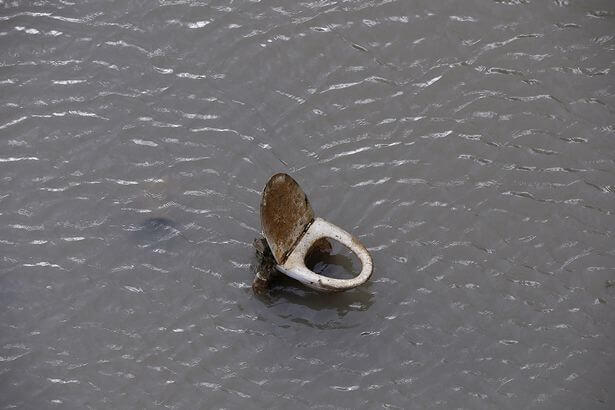
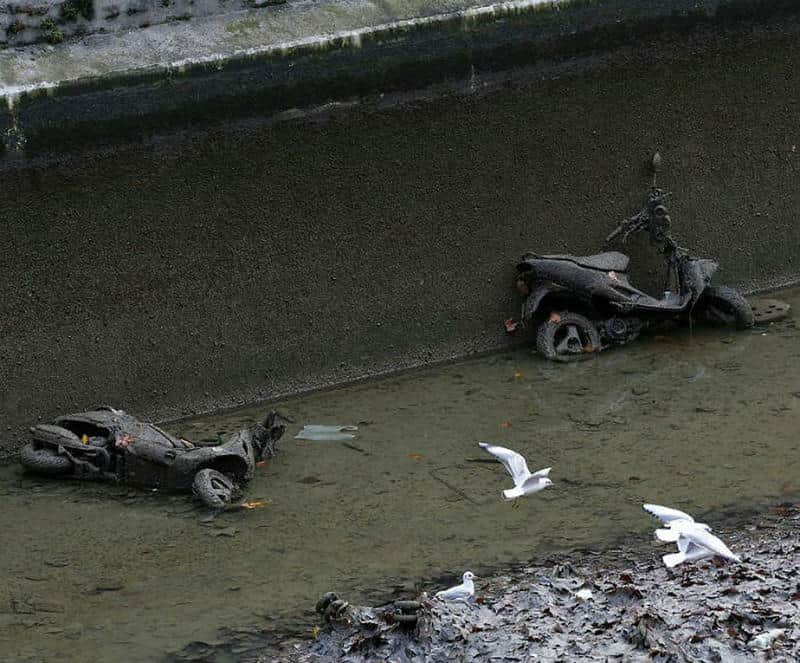
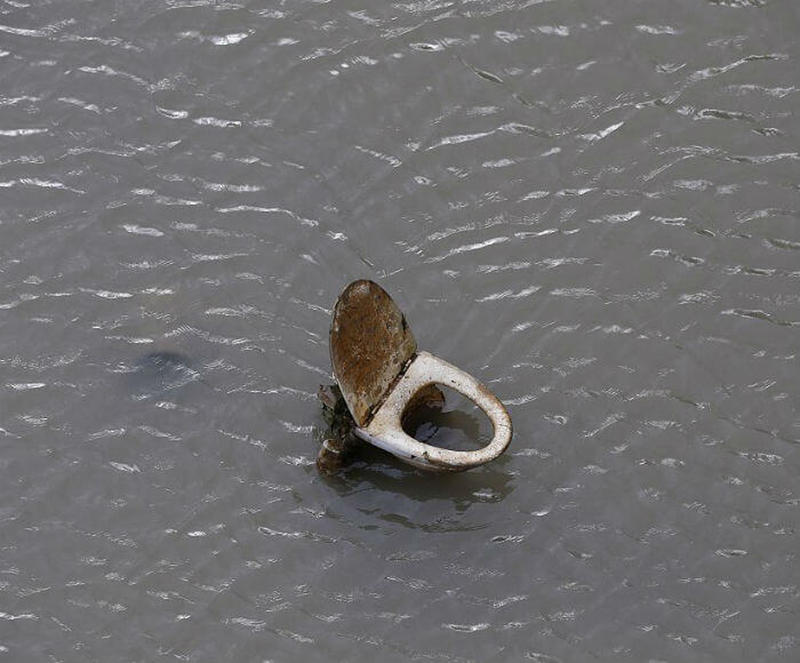
More items surfaced as the drainage process progressed. At the bottom of the canal, there were mopeds, bicycles, and wheelie bins! There was a toilet down there as well. It was critical to recovering it because it had clearly contributed to the canal’s murkiness. Its presence there was thought to be amusing. This was not, however, the only unexpected find down there. They also discovered larger objects at the bottom.
The Most Bizarre Findings
How They Must Have Gotten There
Marc, a witness, told The Guardian, “It’s like some weird submarine treasure.” “I can’t believe the quantity of Vélibs in there,” he continued. “I guess they were stolen and thrown in afterward. It’s bizarre.” Furthermore, bicycles were not the only strange objects that found their way to the bottom.
How They Must Have Gotten There
Paris Is Filthy
An onlooker exclaimed, “That’s Paris for you.” Bernard said, “It’s filthy.” It appears to have gotten worse in recent years. He was also present when the well was first drained. “The last time, I don’t remember seeing so much rubbish in it,” he shared. “I despair. The youth are using it as a dustbin.”
Paris Is Filthy
Even Weirder Than The Bikes
Wait until you hear that they also recovered a pair of motorcycles from down there if you thought bicycles were strange. Who knows how those items came to be there? We’re hoping that someone will come forward and tell us the story behind them. From there, things only got weirder and weirder.
Even Weirder Than The Bikes
So Much Trash
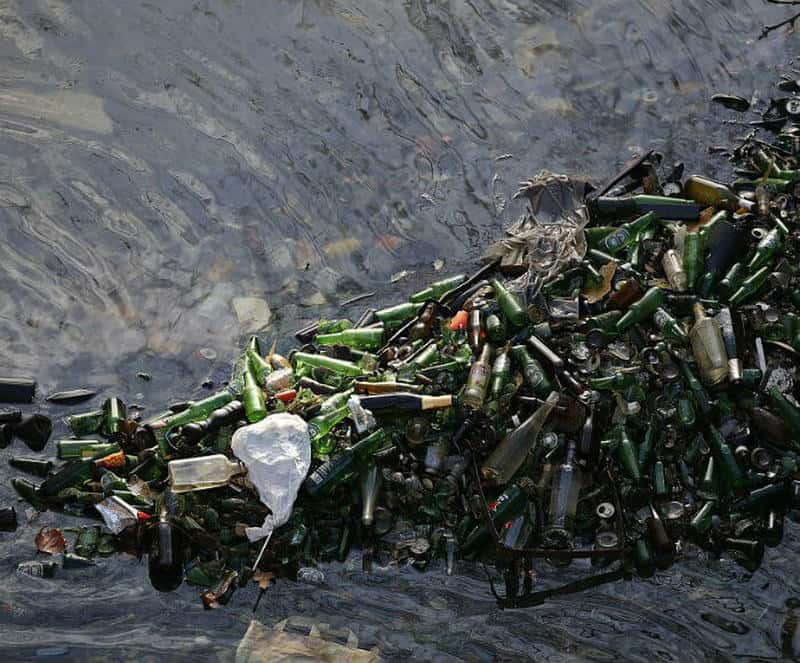
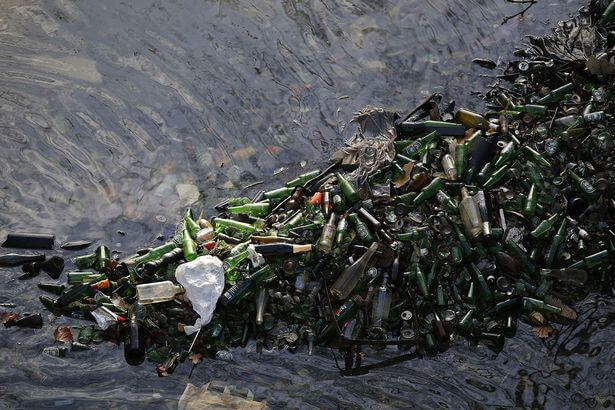
Of course, they didn’t find only alive creatures and strange things down there. Some items were expected to be discovered. Shopping bags, traffic cones, and glass bottles are all examples. These findings didn’t seem to pique anyone’s interest. Everyone was eager to discuss the unusual items!
So Much Trash
A Random Office Chair
For starters, none of them knew how an office chair ended up there. The witnesses were skeptical of the discovery. Is it possible that an office worker took this to the 10th arrondissement? The theory may appear absurd to you, but it made us smile just thinking about it.
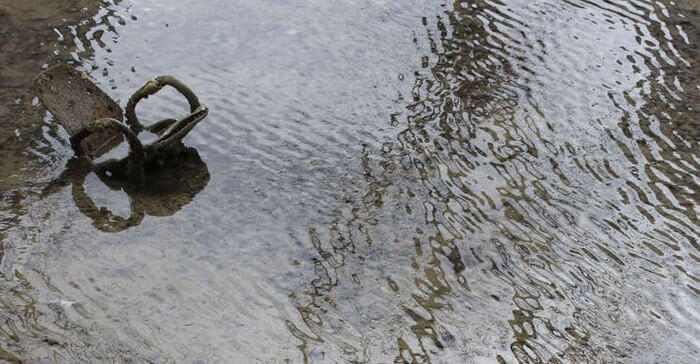
A Random Office Chair
There Was A Suitcase
It’s a lot of fun to come up with theories about how these things got there. Another interesting item emerged from beneath the murkiness as they continued to drain the water. They came across a rather revolting suitcase at the canal’s bottom. Is it there because it was thrown there?
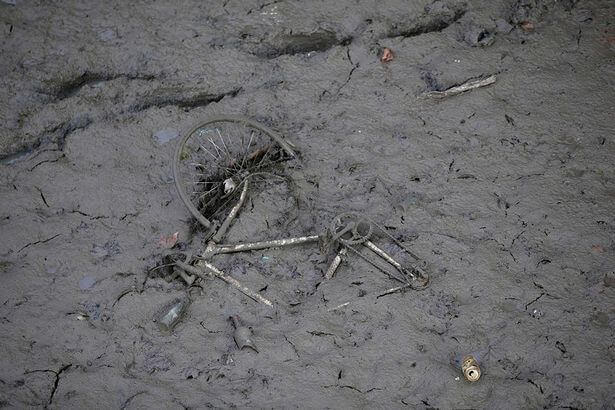
There Was A Suitcase
A Traffic Cone
Another odd item that has people scratching their heads is this one. This traffic cone had no choice but to be retrieved from the canal’s base by a crew member. Who could have placed it there? We’re betting on a vandal who felt compelled to dispose of the evidence as soon as possible.
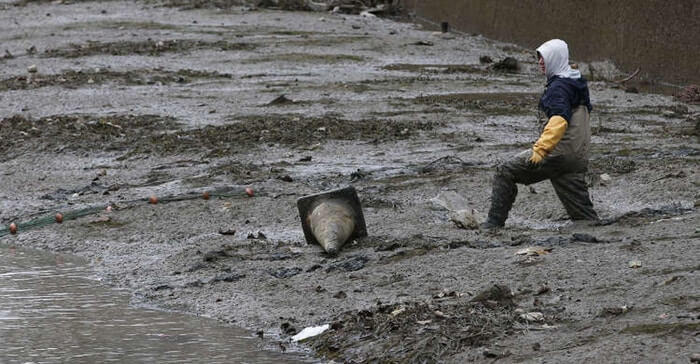
A Traffic Cone
A True Shopping Destination
There was also a shopping trolley on the Canal Saint-Martin floor. People’s interest in the story was piqued as a result of this. Did a shopper accidentally push their car into the canal after loading their bags? In any case, we can conclude that Paris is a fantastic shopping destination.
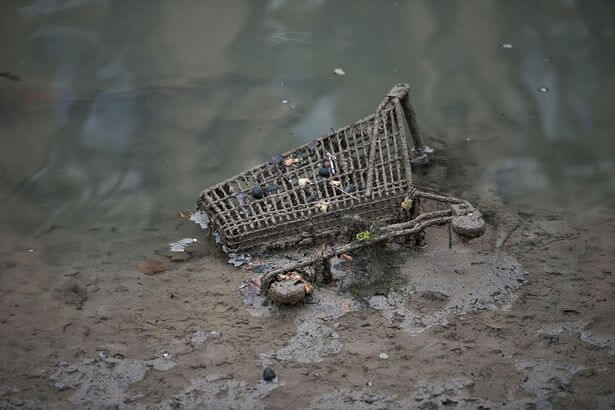
A True Shopping Destination
Save The Fish
Workers continued to drain the water from the Canal Saint-Martin until only 20 inches of water remained. They had to get the fish to safety first. The cleanup crew spent three days in the water catching carp, trout, and bream. They captured the creatures and relocated them to a different part of the river.
Save The Fish
Swimming There Might Be Possible
Even though seeing all the trash in the canal was disheartening, there is still hope. The discoveries brought attention to the city’s littering problem. Authorities used the opportunity to talk about the situation. “If everyone mucks in and avoids throwing anything into the water,” said Celia Blauel when she spoke to the MailOnline, “we might be able to swim in the canal in a few years.” She is the deputy mayor.
Swimming There Might Be Possible
It Was An Expensive Process
No one would have realized how serious the problem was if the waterway had not been drained. The truth is that the canal area is regarded as prime real estate. The Parisians had to pay a high price for it. Only real estate properties located along with the arrondissement command prices as high as $9,000. They had no idea these things were lying so close to their homes, we’re sure.

It Was An Expensive Process
Why The Area Is Expensive
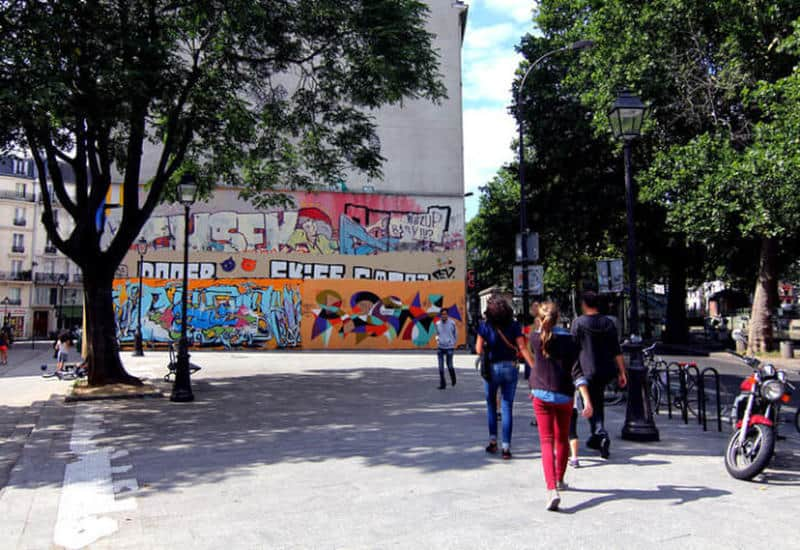
The waterway has always looked lush and aesthetically pleasing, contributing to the high real estate cost there. It has, in fact, served as an inspiration to several artists. Street art can be found on the bank’s walls, and the bank has a large multimedia space dedicated to works of art.
Why The Area Is Expensive
It Took Two Decades
All three canals were dug across the length of Paris over the course of two decades. They make up a total of more than 80 miles when combined. The most well-known of the three is the Canal Saint-Martin. It runs for 68 miles and connects the Seine River and the Canal de l’Ourcq.
It Took Two Decades
Both Tourists And Parisians
Since its inception, the Canal Saint-Martin has attracted both Parisians and tourists. It has always been a place with a unique allure. They’re all looked at the badges. They could also navigate through all of the locks and road bridges along the way.
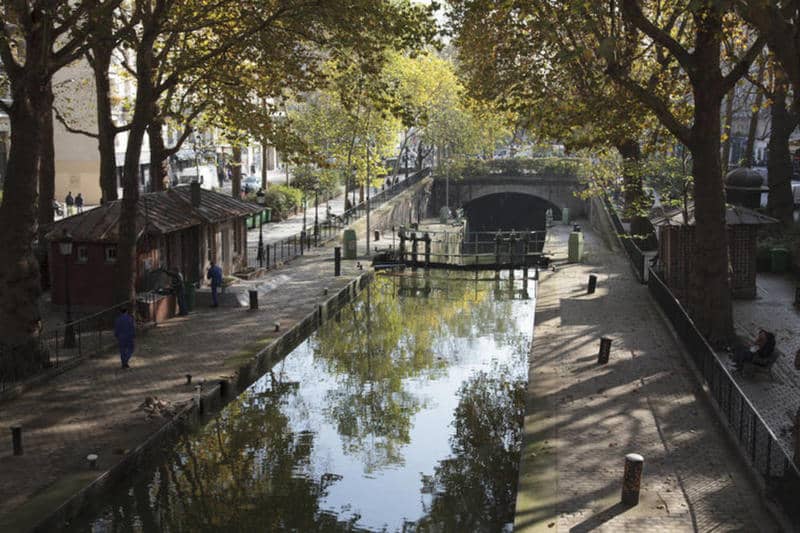
Both Tourists And Parisians
The Amazing Nightlife
If you’re familiar with Paris, you’re probably aware that the Canal Saint-Martin neighborhood has a vibrant nightlife scene. The district, which was once quiet, would attract a large number of young people. Many people assumed that this would only result in more waste in the canal. They discovered if this was the case in 2016.
The Amazing Nightlife
Construction Of The Canal
On Napoleon I’s orders, the canal was built in 1802, when Paris had around 550,000 people. That number did not appear to be going down any time soon. Napoleon believed that the waterway would bring fresh water to the city and improve the residents’ health.
Construction Of The Canal
The Route
The canal runs from the Seine’s Bassin de l’Arsenal to below La Bastille. The latter is the location of a prison that was destroyed during the French Revolution. It then emerges near the Place de la République before ascending to the Bassin de la Villette in the north. It meets the Canal de l’Ourcq there.
The Route
Strange Things In The Water
What was the object that sparked your interest the most? They discovered chairs, shopping carts, suitcases, trash cans, toilets, bicycles, and motorcycles at the bottom, just in case you forgot. A vintage stereo was also on the floor, in addition to the previously mentioned items. You never know what you’ll find when you go there.
Strange Things In The Water
Way Too Many Bottles And Cans
They discovered a lot of cans and bottles while draining the water out of the Canal Saint-Martin. Do you have any idea how many there were? We have our doubts that you correctly answered the question. They found hundreds of thousands of these things down there, after all.
Way Too Many Bottles And Cans
How Long It Is
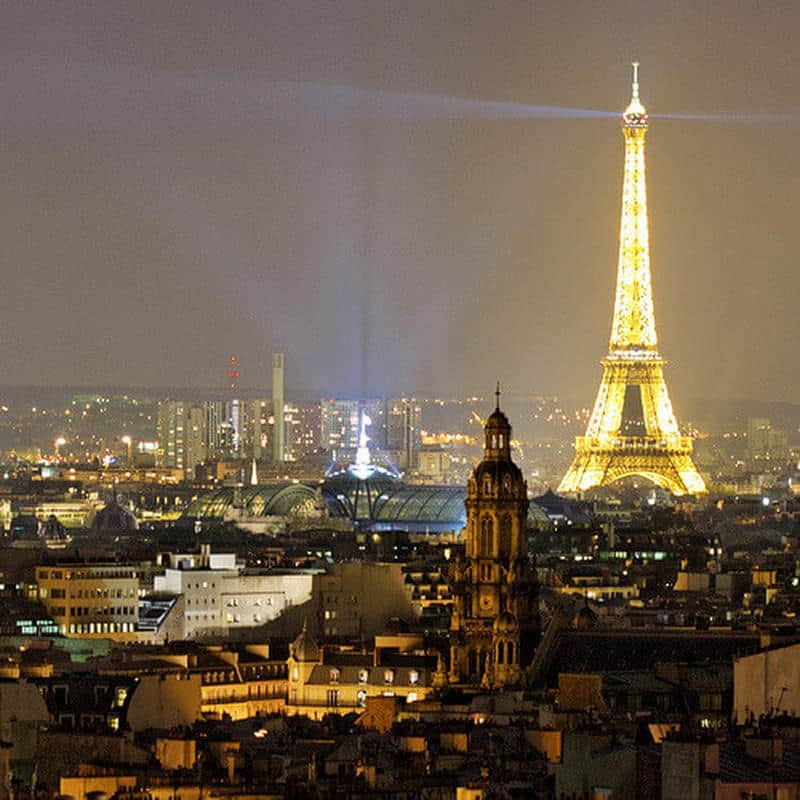
The Canal Saint-Martin, which runs through the heart of the capital, is three miles long. It runs through the 10th arrondissement, which is best known for being a fashion-forward neighborhood. The area has recently gained popularity for its nightlife and tourist attractions. It’s a must-see on your next visit to the City of Lights!
How Long It Is