
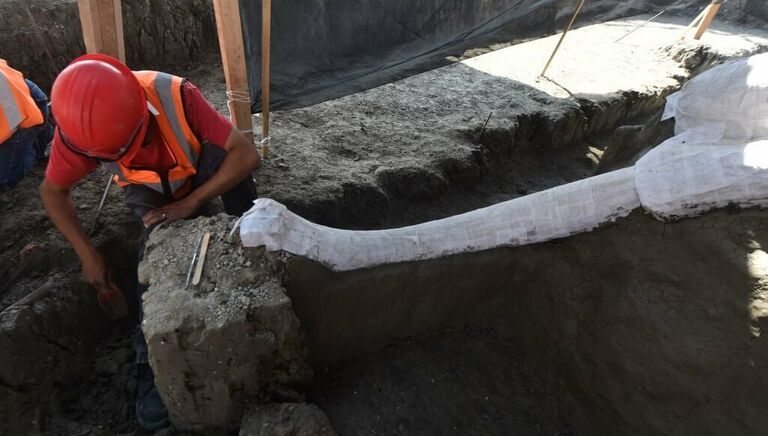
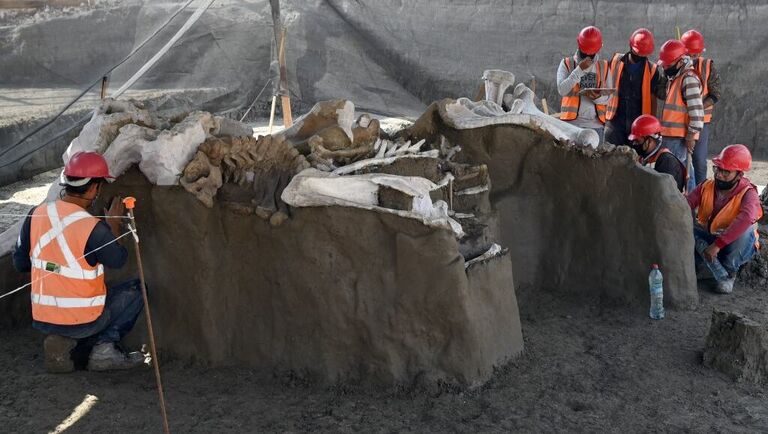
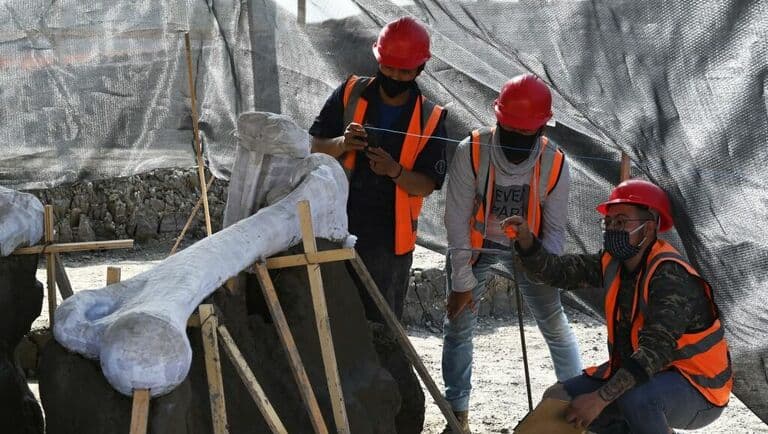
The workers had been hacking at the soil of this construction site when they stumbled upon something unexpected. When they went to work that day, they had no clue that they would find a giant bone that reached a length of seven feet. What is more is that it was not alone! In fact, they went on unearth hundreds of these relics at the site. No one had any idea that they were actually working on a graveyard of sorts. This airport was actually built on the resting place of massive beasts from a long time ago.
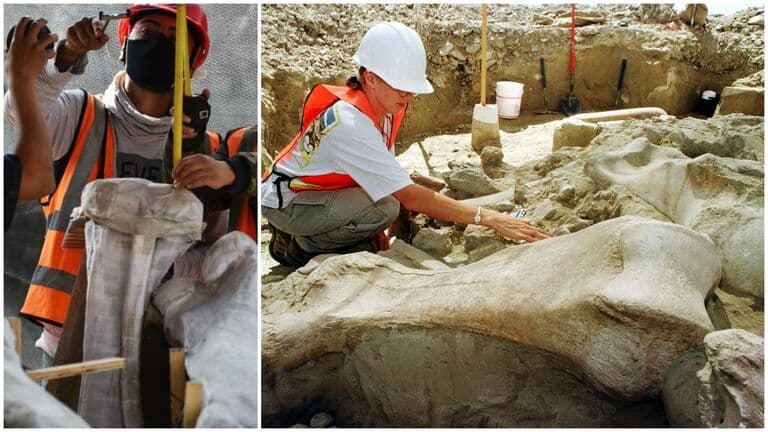
After Digging Up An Airport In Mexico, They Found The Bones Of An Ancient Creature
They Were Rare And Huge
The bones were not just colossal but also very rare. This excited a lot of archaeologists, but it spelled bad news for other people who were connected to the site in Mexico City. The authorities had been planning to build a new airport there by 2022. As you can imagine, this new development threw a wrench into their plans. Needless to say, no one saw this coming.
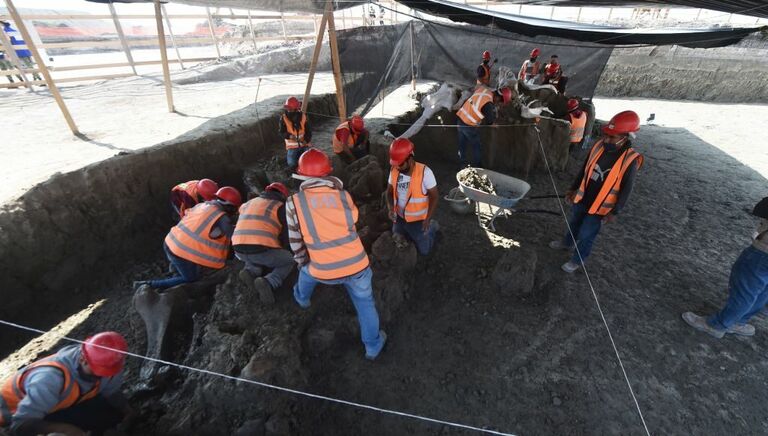
They Were Rare And Huge
It Takes A Long Time
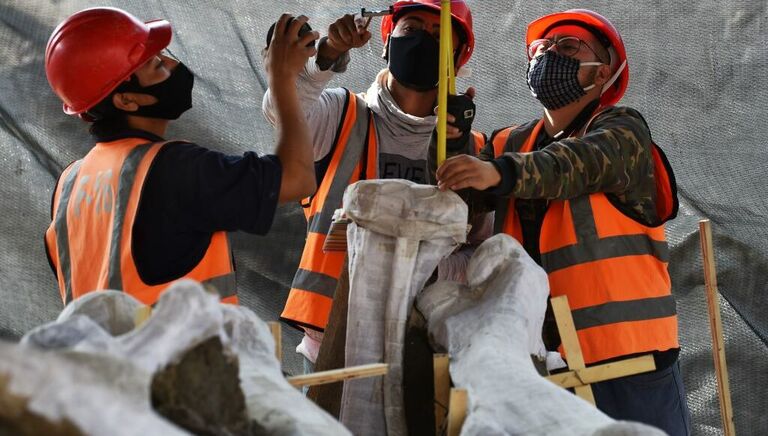
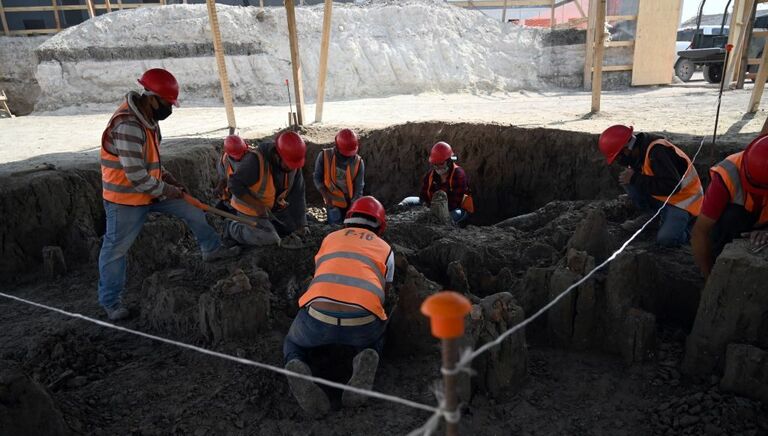
In case you did not know, it takes a lot of time to carry out archaeological work. In fact, it took them nearly a year to finish the excavation. This gruesome secret came out in late 2019. Experts had to exhume and sort hundreds of mysterious skeletons from such an unlikely location with great care.
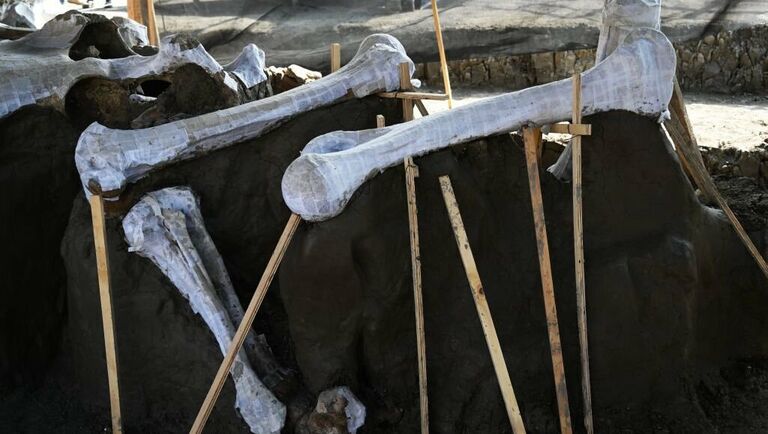
It Takes A Long Time
What Kind Of Creature It Was
But what kind of creatures are we talking about here? More than that, how come a lot of them met their demise on the outskirts of the capital? The answers to these questions will offer us an intriguing insight into the beasts that used to roam this part of the world a long time ago.
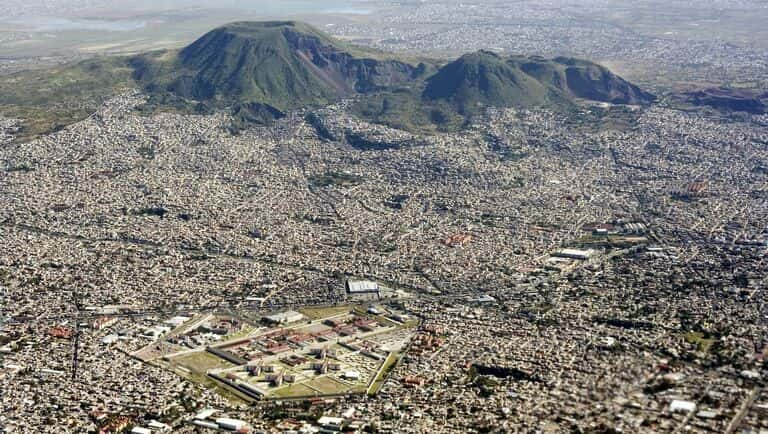
What Kind Of Creature It Was
The Region Is Rich In History
In the early 14th century, the Aztecs founded what we now know as Mexico City. This is a region with a rich history, so it must not have come as a total surprise. However, this development at the Santa Lucia airport can be traced back to a time long before the arrival of these advanced civilizations.
The Region Is Rich In History
Not The Way It Is Now
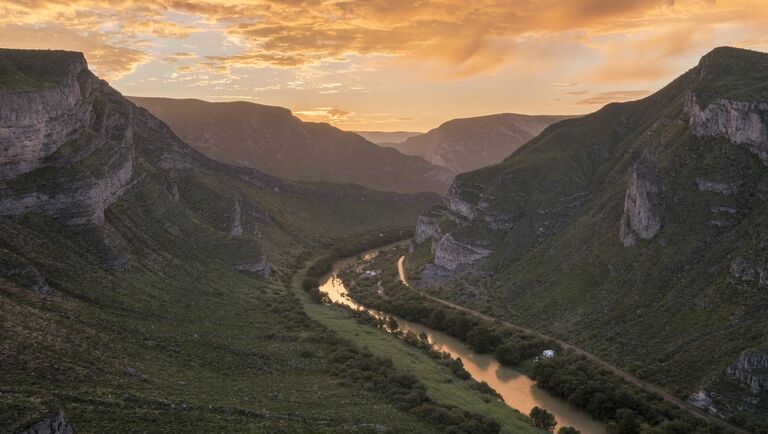
A couple of millennia ago, the land looked different from the way it does now. There were no parks and skyscrapers that make up the metropolis called Mexico City. Instead, there were big lakes that stretched out across a valley. Lake Texcoco was the most important one with an area of over 2,000 square miles.
Not The Way It Is Now
A Long Time Ago
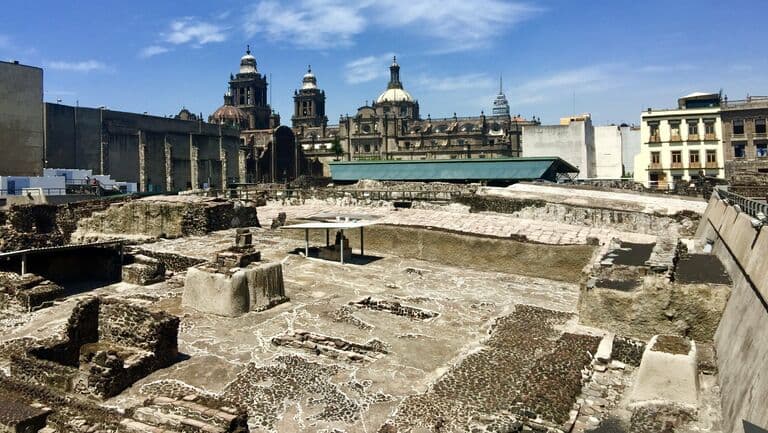
The Aztecs later chose an island in the lake to found Tenochtitlan, which is the settlement that evolved into Mexico City as we now know it. Before that, this region served as the home of many wild creatures. Our forebears relied on the shores of the lake for survival. They shared the region with these beasts as well!
A Long Time Ago
They Used To Roam The Land
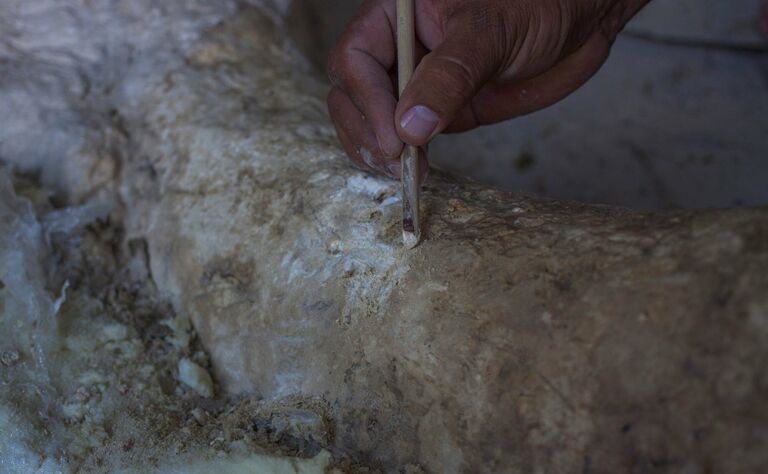
In those days, there were creatures weighing over a hundred pounds that roamed the landscape. Experts use the term megafauna to describe this phenomenon. These huge creatures were the oversized forebears of present-day animals. It must have been one such species that left the bones behind at the site below the Santa Lucia airport.
They Used To Roam The Land
There Were Tons Of Theories
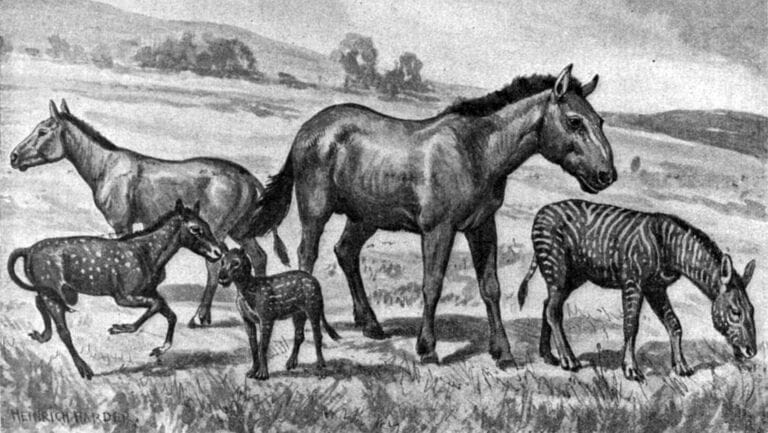
Did the bones belong to the ancient horses present in North America 50 million years in the past? It runs out that they disappeared in the twelfth century B.C. in this part of the globe. There were also people who assumed that these were the remains of an even more bizarre animal known as the glyptodon.
There Were Tons Of Theories
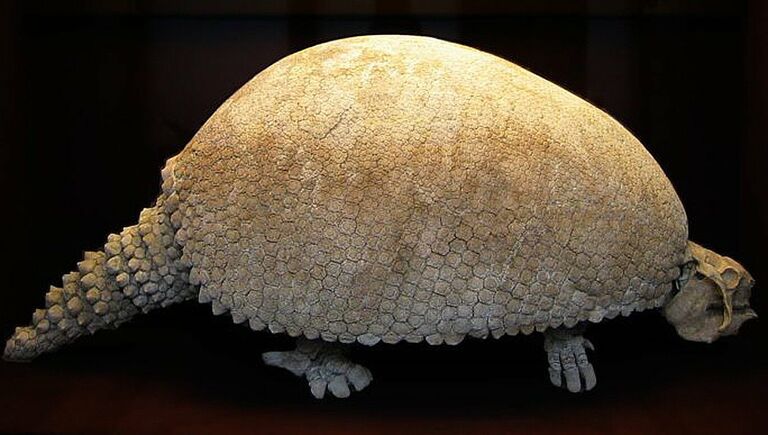
An Animal Called The Glyptodon
There is no need to worry if you don’t know what that is. The glyptodon was kind of like a big armadillo that could grow even longer than ten feet. It was so huge that its bones are comparable to the skeletons found at the airport site. We can see why some people assumed that the bones belonged to them.
An Animal Called The Glyptodon
Not The Only Possibility
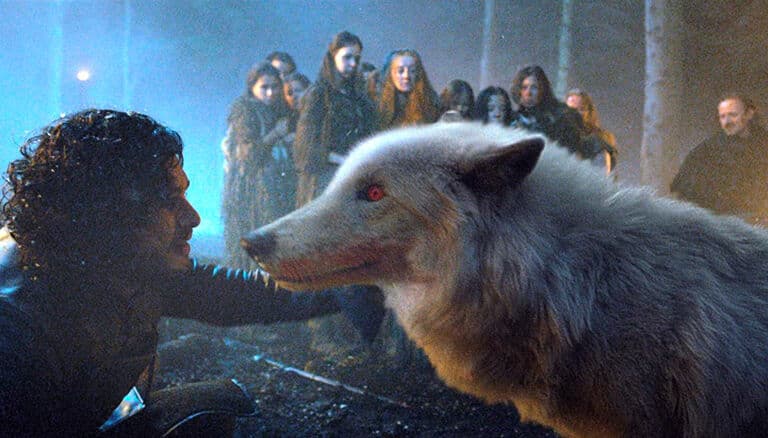
Can you believe that there are other worthy contenders? The remains at the airport site might have also come from the dire wolf. It was a prehistoric carnivorous animal that roamed North America during the Late Pleistocene and Early Holocene eras. If not, they could have come from saber-toothed cats as well.
Not The Only Possibility
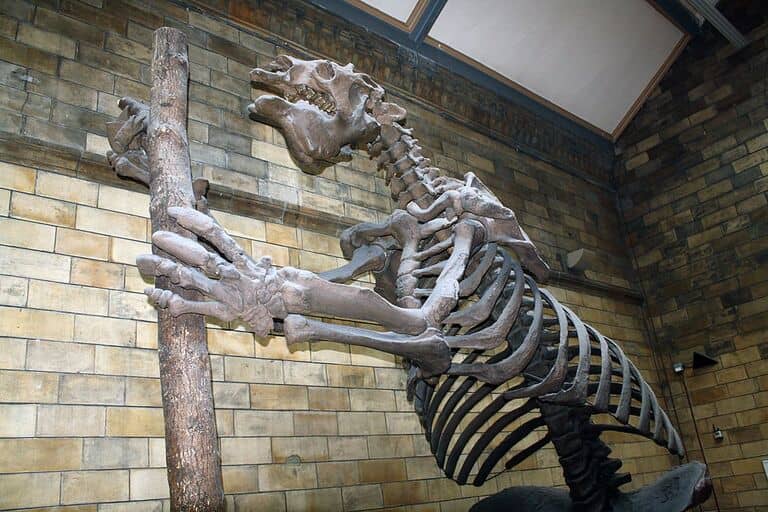
Something Known As The Megalonyx
There is also a chance that the warmer climate of the city tempted the Megalonyx to head down south again after traveling up north. After all, the remains of these gigantic creatures have been recovered in Mexico in the past. Could these beasts have left behind their skeletons at the Santa Lucia airport?
Something Known As The Megalonyx
None Of Them Got It Right
In the end, all of these guesses turned out to be wrong. They were not the culprits for the skeletons at the site. But what could they possibly have been if not any of the aforementioned creatures? It is a good thing that archaeologists had clues thanks to previous excavations that took place elsewhere.
None Of Them Got It Right
The Megafauna Of The Region
You see, humans are believed to have lived in the Valley of Mexico as far back as 12,000 years ago. That means that they probably interacted with many megafauna species in the region. As a matter of fact, it is thought that hunting had a huge role when it comes to the decline of the giant creatures!
The Megafauna Of The Region
Not Solely Because Of Humans
We can’t entirely blame the sad fate of the huge beasts on our ancestors, however. Humans were able to adapt to the rising temperatures, but other creatures failed to do the same thing. One by one, the megafauna of the continent went extinct and only left their colossal bones behind for us to find.
Not Solely Because Of Humans
The Excavation Put A Halt To It
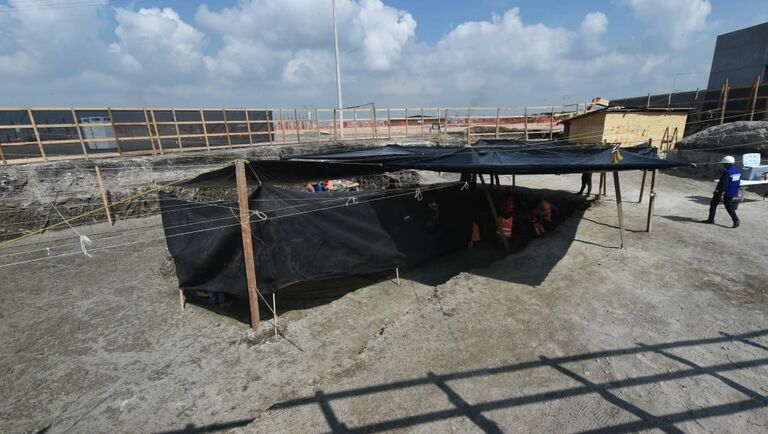
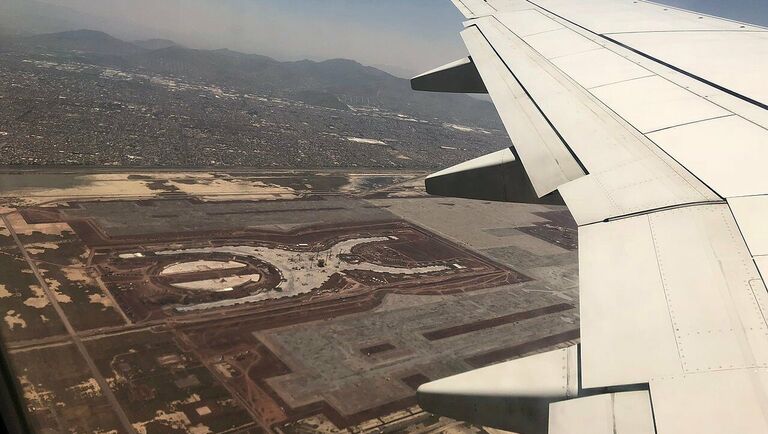
A long time after that, experts started to excavate the site for the Santa Lucia airport. It used to be an Air Force base. The Mexican president announced the project in early 2019. Prior to that, the authorities wanted to construct northeast of the capital, but that project was stalled by a referendum.
The Excavation Put A Halt To It
It Was A Fitting Alternative
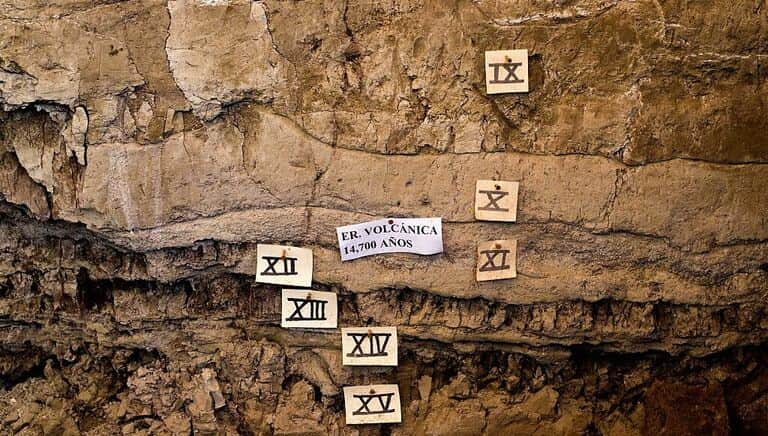
In the end, they decided that the Santa Lucia site was a fitting alternative. Work started on the former base not long after this. The National Institute of Anthropology and History wanted to be involved with the construction. These archaeologists and experts heard that there were surprising finds at a nearby site. The experts wanted to investigate these discoveries and see what they could find out about them.
It Was A Fitting Alternative
Not Far From The Current Site
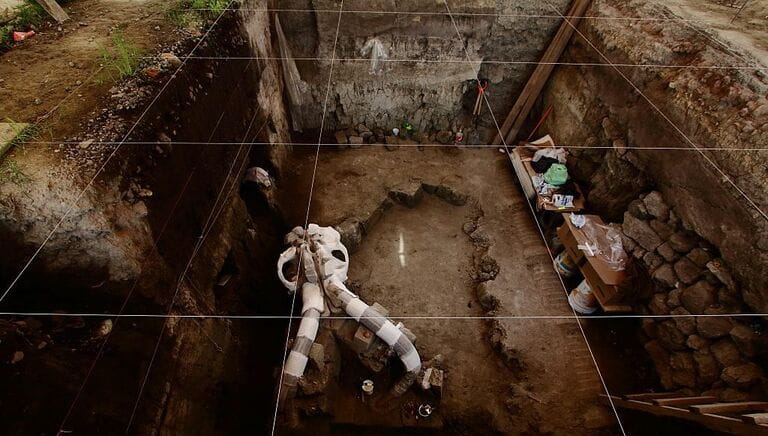
The dig in question took place outside a town called Tultepe. It is about twelve miles away from the Santa Lucia airport site. In November 2019, the project researchers had shocking news. They found two artificial pits that appeared to have been dug by our forebears thousands of years in the past! There is evidence that suggests that they played a key role in a special hunting technique back then.
Not Far From The Current Site
They Found Mammoth Fossil
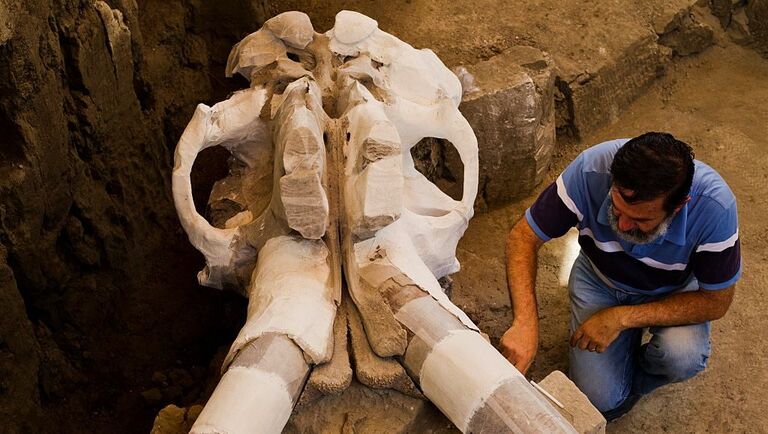
In these pits, the researchers found no less than fourteen skeletons! They belonged to a species called the Columbian mammoth. The experts think that early humans built the six-foot-deep holes to prevent the beasts from running away. In fact, the hunters might have even chased these animals into the traps.
They Found Mammoth Fossil
Hunted For Bone And Meat
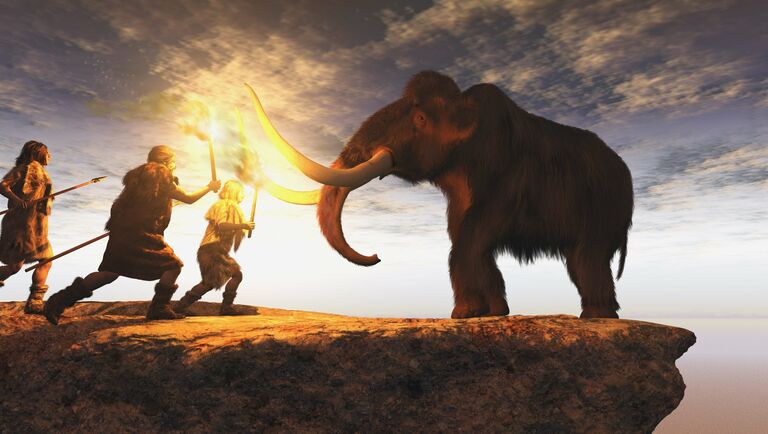
You might want to know what the hunters did with the ancient mammoths after catching them. It is likely that they killed the animals for the bone and meat. This sounds a lot more sophisticated than spear-hunting that we think of from those days. Could they really have been smarter than we think?
Hunted For Bone And Meat
They Had Some Idea
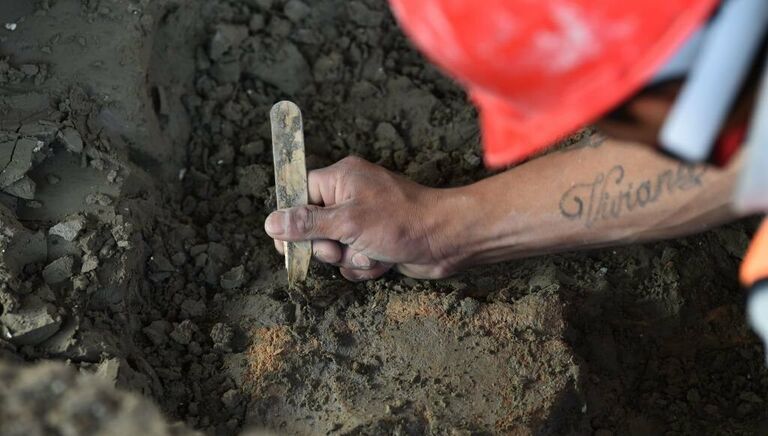
In an effort to see whether this was a unique case, the National Institute of Anthropology and History experts decided to join in on the fun. Thanks to the Tultepec discovery, they had an idea of what to look for. They were not sure if the ground was going to present them with more relics from those days, however.
They Had Some Idea
It Took Them Six Months
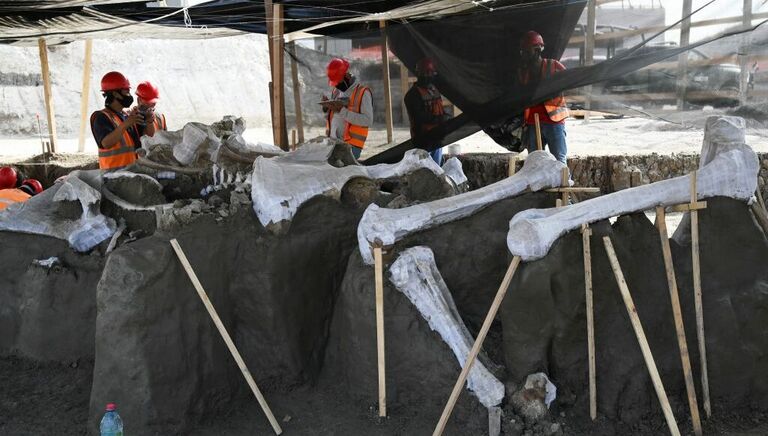
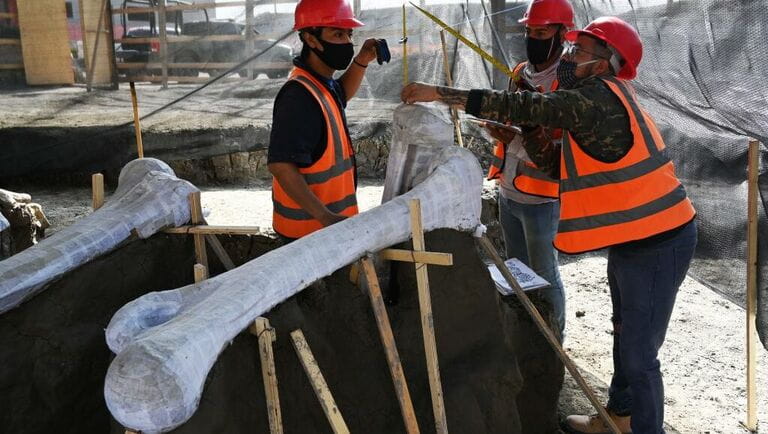
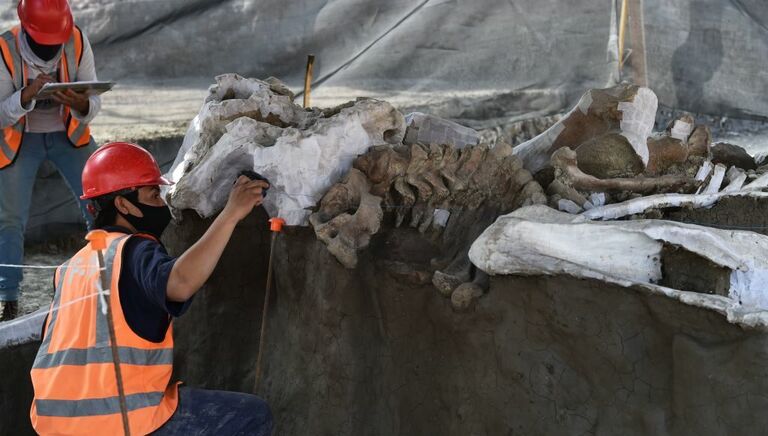
It is a good thing that they found the answer to this question soon enough. Six months into the excavation, they found over fifty mammoth skeletons on the site! Pedro Sanchez Nava of the National Institute of Anthropology and History told Associated Press, “There are too many, there are hundreds.”
It Took Them Six Months
A Lot To Process
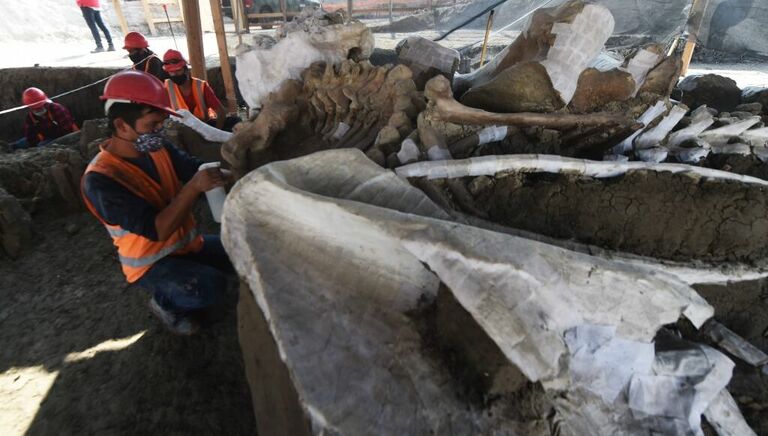
Nava said that in the six months that they worked on the site, they unearthed the colossal bones. They discovered about ten skeletons per month! At the time, they predicted that this would keep going for even more weeks than that. However, the excavation went on to exceed the expectations that they had.
A Lot To Process
There Might Be Even More
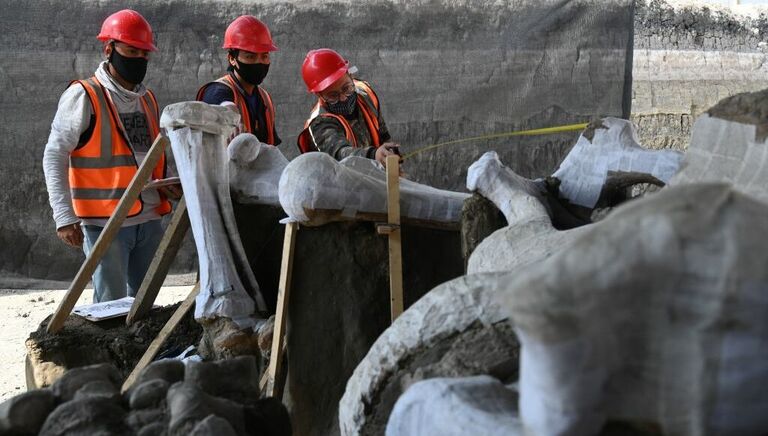
In September 2020, the experts announced that they had discovered at least 200 skeletons at the site. On top of that, they claimed that there was even more than that waiting in the ground. The group broke the record for the highest number of mammoth Maps ever found in a single location.
There Might Be Even More
It Used To Be Full Of Water
Experts say that the bones can be traced back to 10 to 20 millennia in the past. Most of them had been covered by the Valley of Mexico at the time. Aside from this body of water, Lake Xaltocan was yet another interconnected bodies of water. This is where animals of all shapes and sizes lived back then.
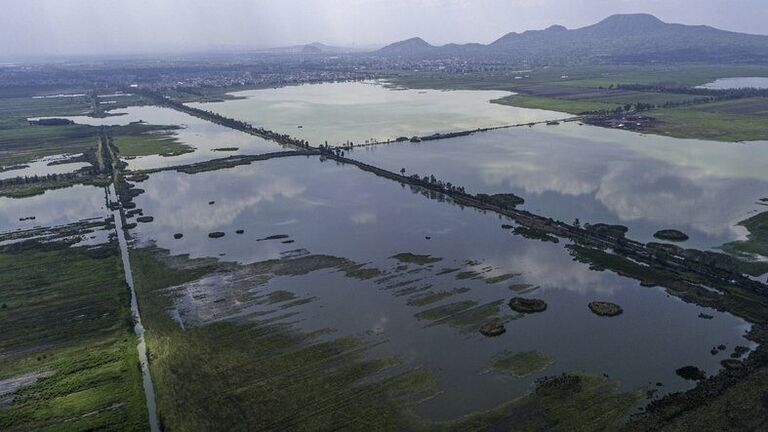
It Used To Be Full Of Water
They Would Come To The Lake
But why did the megafauna come to Lake Xaltocan in the first place? It looks like the shores served as a habitat of grasses and reeds for the beasts. According to experts, those creatures could consume more than 300 pounds of nutrients each day. “It was like paradise for them,” Nava told the Associated Press.
They Would Come To The Lake
Creatures Would Flock The Area
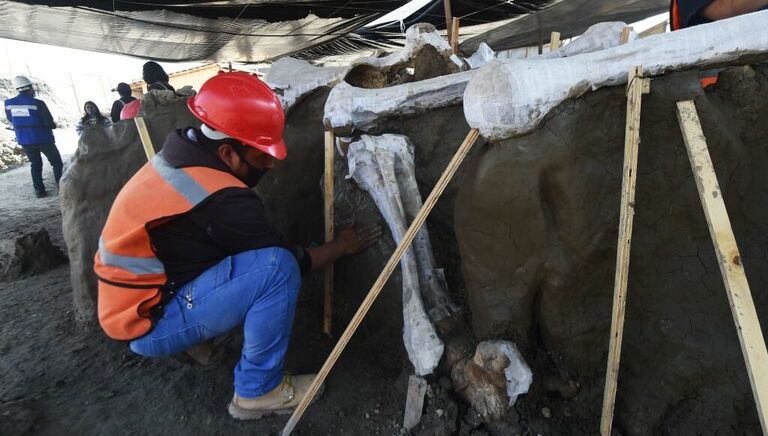
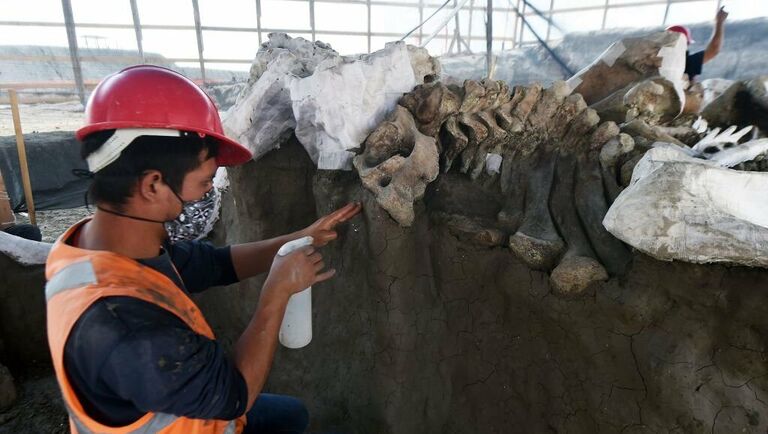
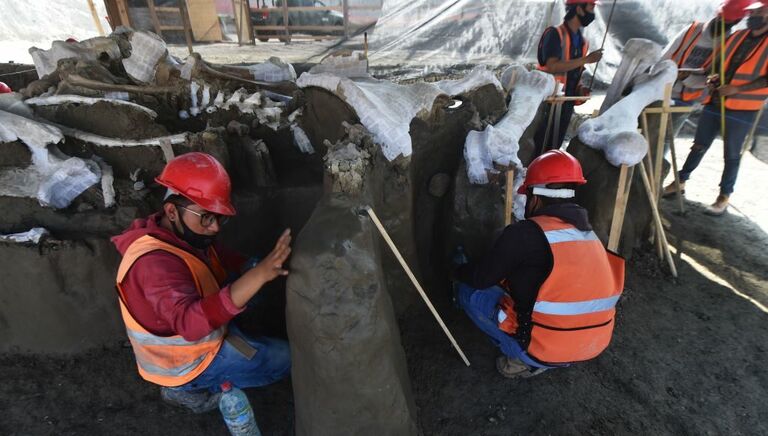
It was clear that the lake had been a popular area that drew creatures from far away. These days, there are so many mammoth skeletons in the old lakebed that an observer always has to join a bulldozer at all times. Spotters had to be hired to make sure that the site did not damage the fragile bones by accident.
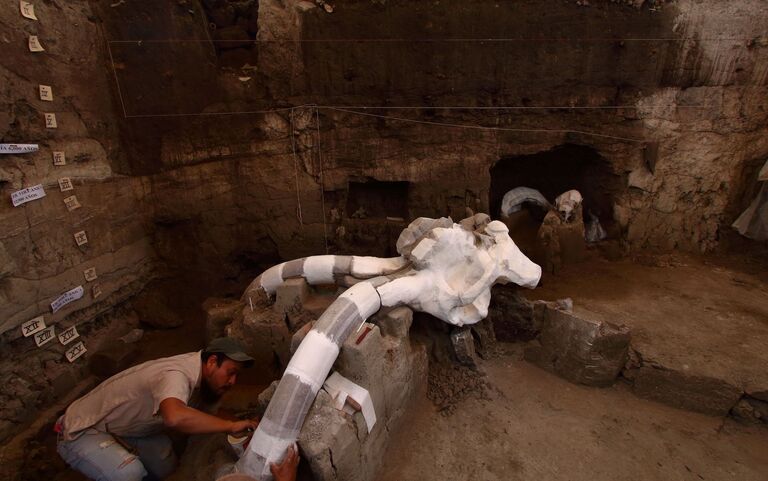
Creatures Would Flock The Area
It Has Been Called Mammoth Central
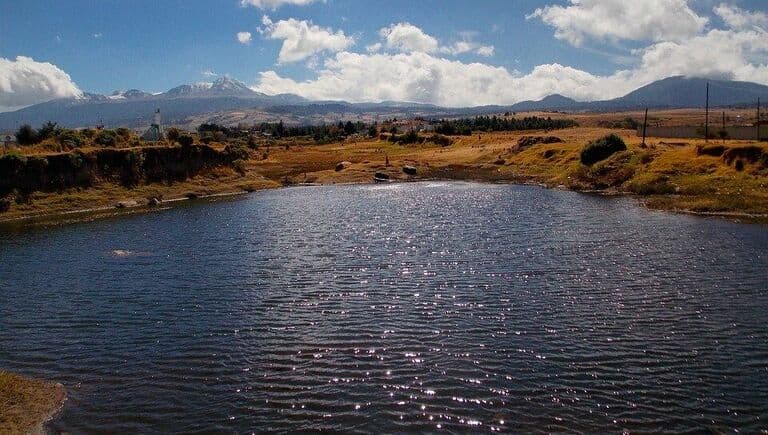
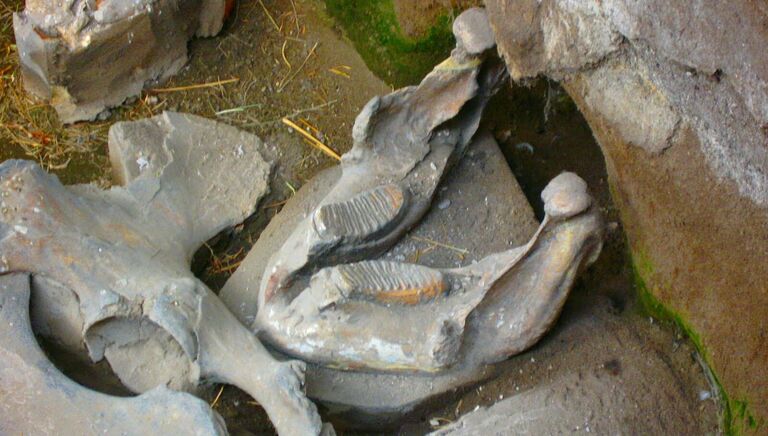
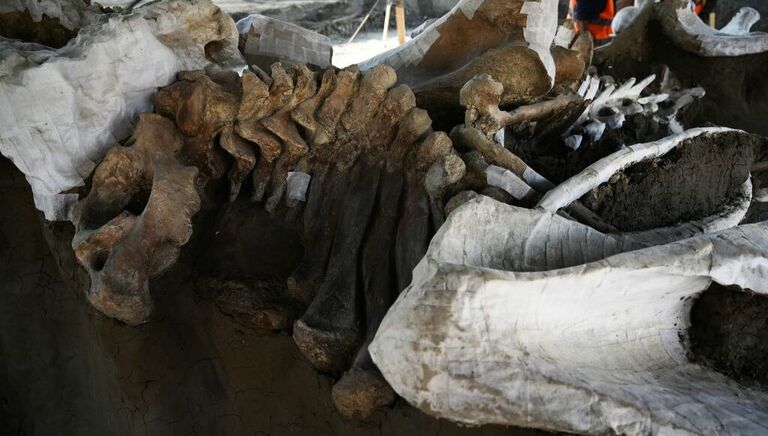
From the look of things, the Santa Lucia airport site should be protected. It has received the nickname “mammoth central.” The dig could offer us valuable clues about the way they lived and died. How come so many died in the same spot anyway? Experts say that they might have gotten trapped in the soft soil.
It Has Been Called Mammoth Central
The Role Played By Humans
Right now, experts do not know if humans had something to do with the fate of these creatures. It is possible that the mammoths just got trapped in the marshy ground after going to the lake to eat. Of course, there is also a chance that early hunters took advantage of this natural trap.
The Role Played By Humans
Not Ruling It Out
Nava refuses to rule out the idea that humans were involved. “It’s possible [early hunters] may have chased [the mammoths] into the mud,” he shared with the Associated Press. He added, “They had a very structured and organized division of labor.” Experts also found tools made from their bones there.
Not Ruling It Out
This Was Not Conclusive
Of course, the presence of the tools can’t be taken as proof that mankind used the natural trap to hunt the huge creatures. After all, it is totally possible that they killed the creatures once they had already gotten stuck. They could have also made the tools using bones from animals killed in a different place.
This Was Not Conclusive
Looking For Human Interference
Experts want to run tests on these skeletons to check for human interference. The only thing we can do is wonder about the relationship between the early humans and mammoths of Lake Xaltocan until then. With that said, these bones have served as invaluable findings for people that study the ancient animals.
Looking For Human Interference
A Million Of Years Ago
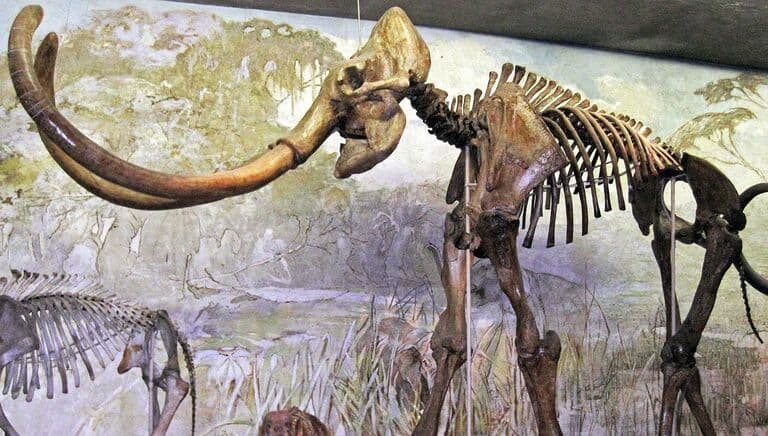
According to experts, the Columbian mammoth must have first appeared in the region a million years ago. The steppe mammoth, its ancestor, arrived from Asia a couple of millennia prior to this. For millennia, the huge beasts lived in the Valley of Mexico and fed on the vegetation in the area.
A Million Of Years Ago
As Tall As A Giraffe
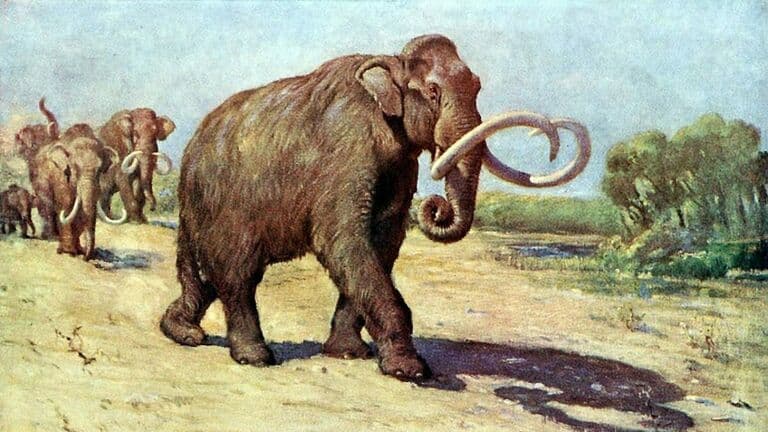
Experts say that the mammoths could grow as tall as thirteen feet, which is the same average height as a female giraffe. Even though there were similar European species, those grew hairy coats to keep them safe from the cold. This was not the case for those in North America. Business Insider noted that the Columbian mammoth probably had a lifespan of anywhere from 70 to 80 years.
As Tall As A Giraffe
Not That Much Time Together
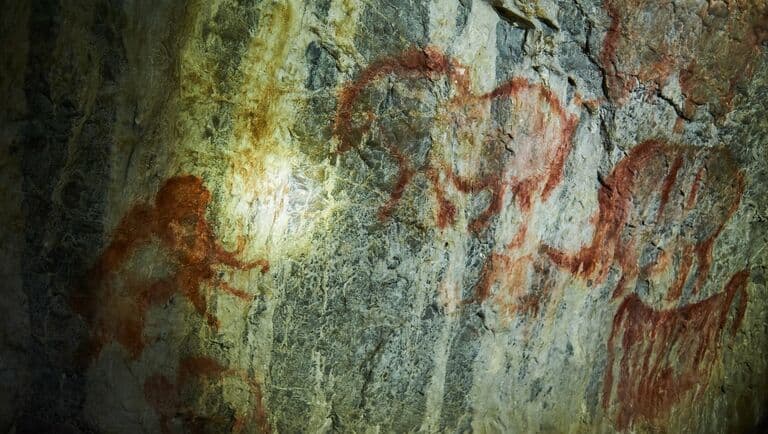
While a lot of people have an idea that humans hunted mammoths, both species did not coexist for a long time. As we all know by now, the Columbian mammoth succumbed to extinction. Their hunters, the Paleoamericans, vanished too. Should man be considered responsible for the extinction of these beasts?
Not That Much Time Together
More Insight Into The Past
Experts hope that the Santa Lucia airport site could offer more insight into this. In September 2020, Joaquin Arroyo Cabrales told the Associated Press, “What caused these animals’ extinction, everywhere there is a debate, whether it was climate change or the presence of humans. I think in the end the decision will be that there was a synergy effect between climate change and human presence.”
More Insight Into The Past
A Step Closer To The Truth
The Santa Lucia airport find has helped us get a step closer to the answers we want. It is not every day that you find so many mammoth skeletons in a single place. Another paleontologist called Ashley Leger expounded on this topic when she spoke to the Associated Press. “A very specific set of conditions that allow for a collection of remains in an area – but also be preserved as fossils – must be met. There needs to be a means for them to be buried rapidly and experience low oxygen levels,” she said.
A Step Closer To The Truth
It Is Not Exactly New
Mammoth graveyards might be rare, but we have been unearthing their bones for a long time by now. As a matter of fact, the Aztecs also found a lot of their skeletons. They had no way to know what they were. Nava said that it stumped them so much that they wondered if giants once roamed the planet.
This Was Not Conclusive
The Early Human Diet
It is neat to note that the Santa Lucia airport site could tell us more about the way mammoths were part of the early human diet. In May 2020, Nava told the Associated Press, “They used to think [the eating of mammoth] was very [dictated by] chance – sporadic. In fact, it may have been part of their daily diet.”
The Early Human Diet
What Else They Found There
Mammoths were not the only thing that they found at the site either. Researchers found the remains of camels and horses as well. The experts said that there are more excavations planned in the future. We are excited to see what else they will learn. Mind you, the airport is still set to open in 2022 as planned.
What Else They Found There
Aside From This Discovery
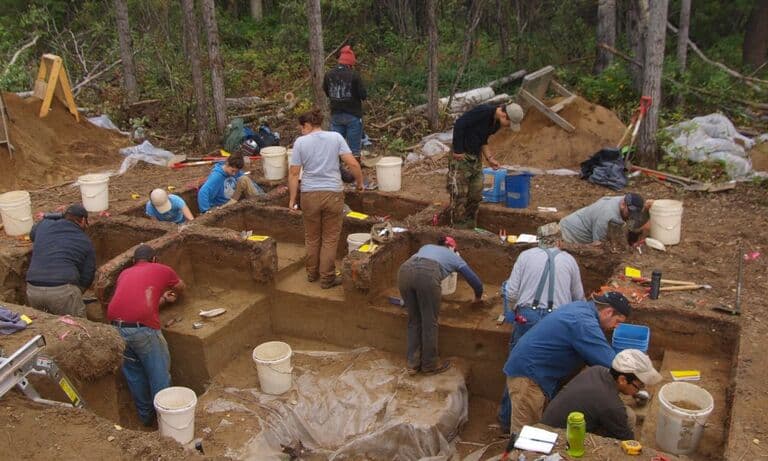
The Santa Lucia airport site is not the only area that has given us more valuable information about North America. There is also a region in the Upward Sun River in Alaska that had the remains of two babies. These skeletons go as far back as 11,500 years ago! They belonged to infants from early North American settlers. The tiny bones offered us a shocking insight into American history.
Aside From This Discovery
A Pair Of Human Remains
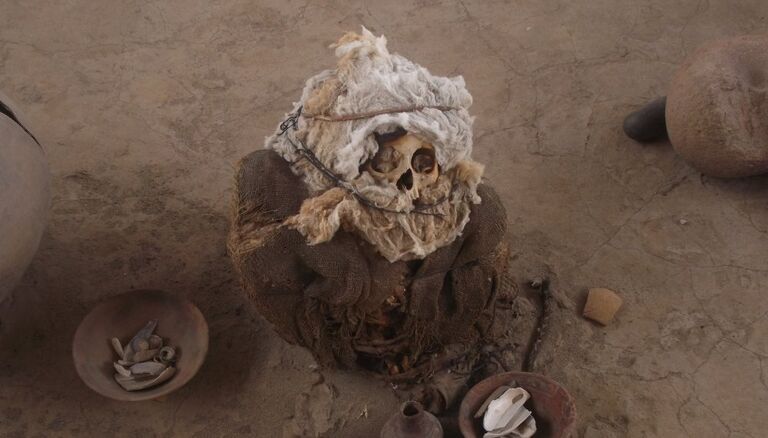
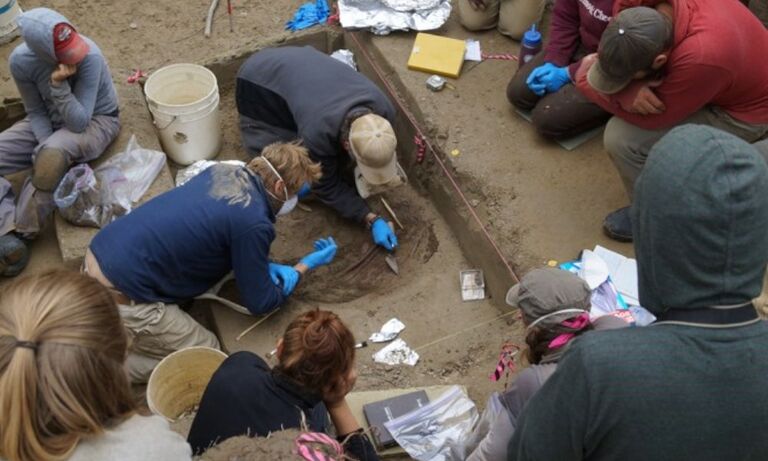
The pair of remains were found in 2013. One is believed to have come from a baby who passed away at six to twelve weeks after birth. The other appears to have been stillborn. They might have been female cousins buried together. The bones were found after an earlier development three years prior.
A Pair Of Human Remains
There Was An Earlier Find
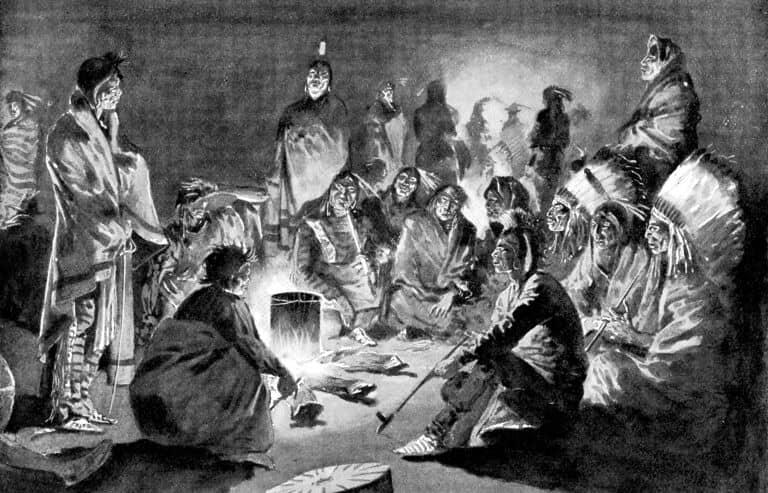
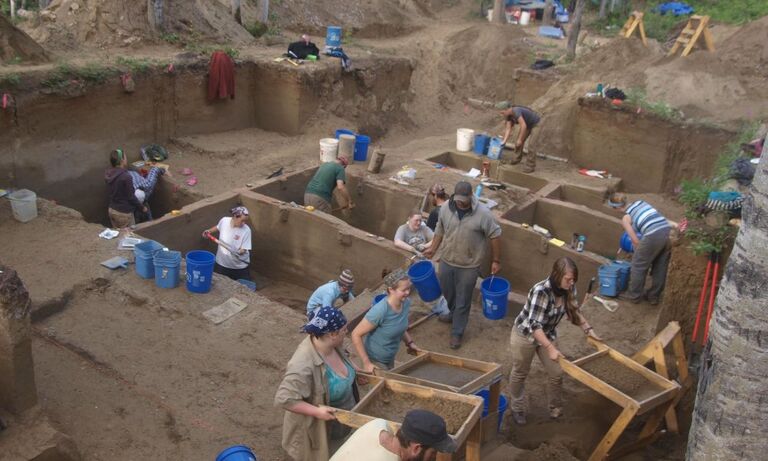
In 2010, the team led by an anthropology professor called Dr. Ben Potter found the remains of a three-year-old. The human remains were lying above a fire pit, so the toddler must have been cremated. Years later, they discovered the two other children in a lower spot. What did they learn from these finds?
There Was An Earlier Find
They Were Preserved Very Well
The two babies were so well-preserved that they could run them through a DNA analysis. On top of that, the scientists retrieved enough samples from one of them to learn more about how humans arrived in this part of the world. Before we discuss what it means, it is worth learning the beginning of this story.

They Were Preserved Very Well
The Upward Sun River
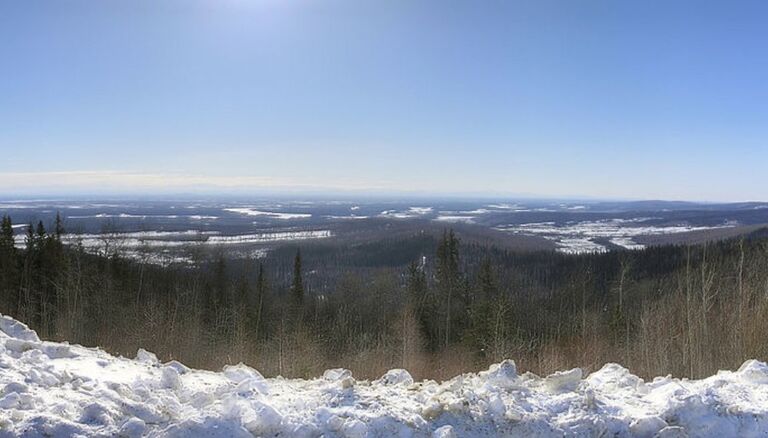
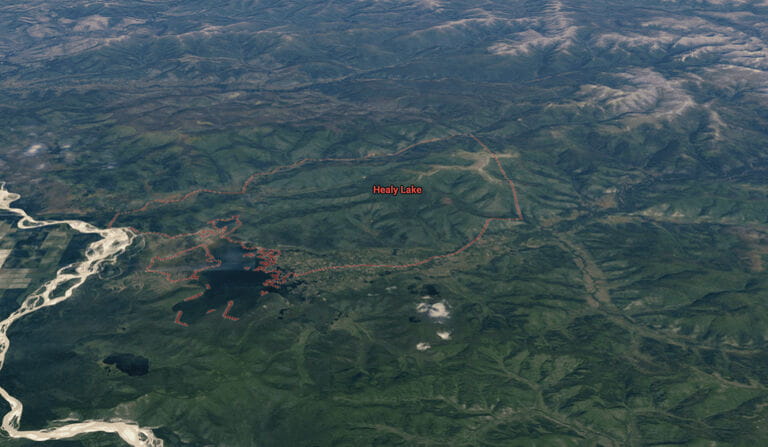
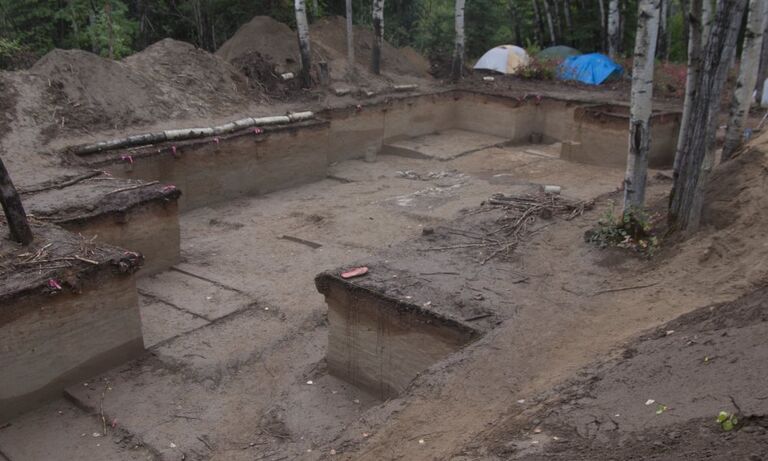
Potter first stumbled upon the Upward Sun River site back in 2006. The ancient site was located in the very wooded areas of the Tanana River Valley. It is found around fifty miles or so from Fairbanks, Alaska. It is such a remote area that you can only access it by helicopter.
The Upward Sun River
From The Local Language
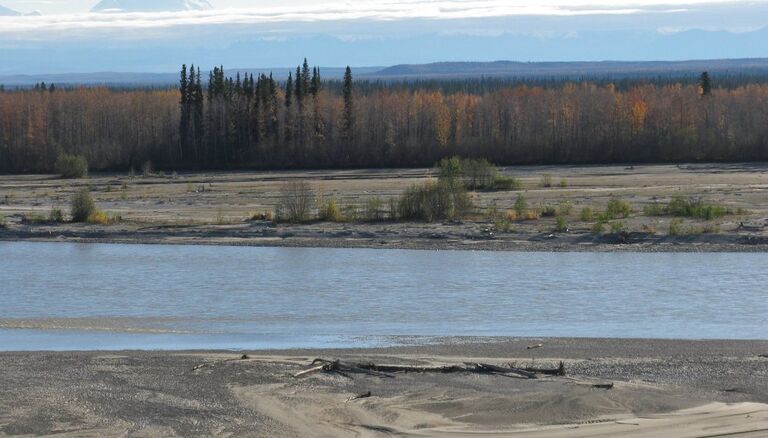
It is interesting to note that the name of the place has been translated from the Athabascan language, which is the local tongue of Native Americans. The First National people in the nearby area gave the two babies names from the same language. Experts worked with the local people during the excavations.
From The Local Language
He Had To Work With The Locals
Potter had to work to gain their trust. In the past, the community had been protective of such findings. The team had to get the blessing of the First Nation people before they could proceed. The Healy Lake Tribe referred to the site as Xaasaa Na’, which can be translated to Upward Sun River.
He Had To Work With The Locals
What They Called The Remains
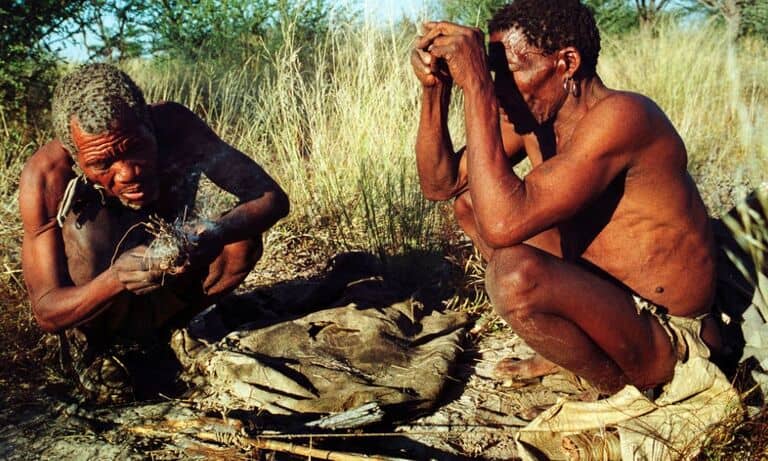
The First Nation people called the younger girl Yelkaanenh t’eede gay, which is Athabascan for dawn twilight child-girl. On the other hand, they called the older one Xach’itee’ganenh t’eede gay or sunrise child-girl. The experts learned that the site probably housed a hunter-gatherer settlement that ate squirrels, hares, and bison.
What They Called The Remains
There Were Signs Of Permanence
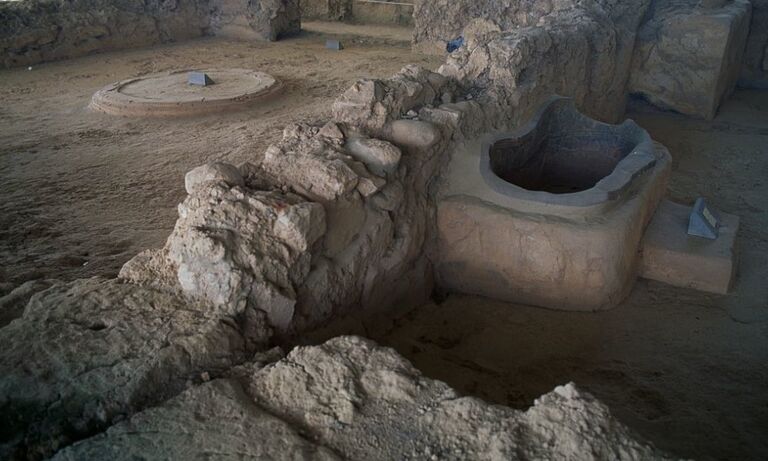
However, older research showed that these ancient Paleo-Indian sites were transient camps. They liked to move on from one spot to another quickly. Despite this, Upward Sun River displayed signs of permanent residence. For one thing, there were remains of residential structures there. There were also specks of small animals and salmon in the area. This is atypical as hunters used to live nomadic lifestyles.
There Were Signs Of Permanence
The First One They Found
Let us go back to the first child that they found in 2010. Even though teeth analysis revealed their age, the scientists could not identify the gender. On top of that, the fire pit where it was cremated was also used for food prior to that. The evidence indicates that the site was deserted after this child’s death.
The First One They Found
It Was A More Elaborate Burial
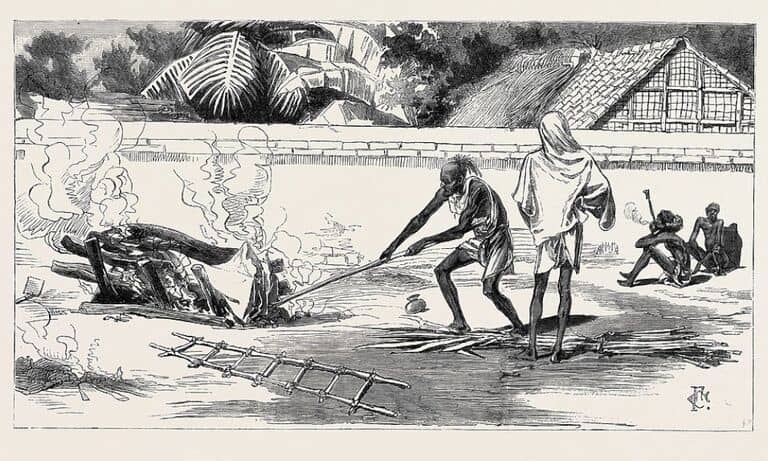
The two other infants were buried in a more elaborate way. For one thing, they were discovered with burial goods in red ochre. The experts were surprised to see just how well they had been preserved. After all, the pair had been buried in soil and sand, a highly acidic mix typically bad for conservation.
It Was A More Elaborate Burial
What They Learned From This
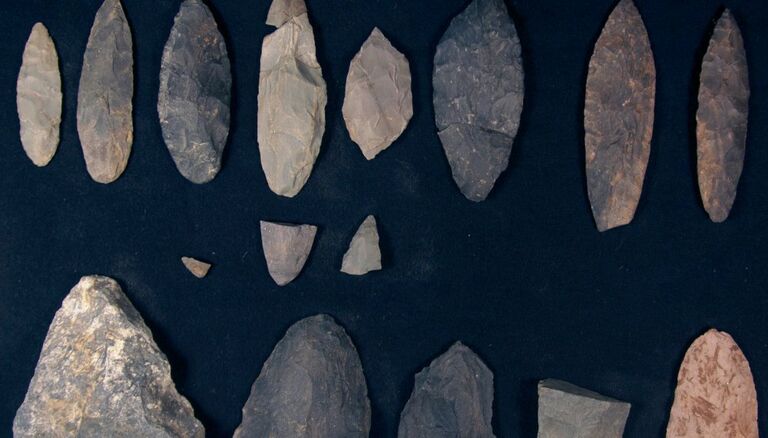
They found various things in the grave like spear points and antlers. Potter came up with the theory that the antler fragments were used with stone to create projectiles. In 2014, he shared his observations with Science magazine: “You can even see the whittling marks left on the edges of [the antlers].”
What They Learned From This
They Were Buried With Each Other
At any rate, there is no doubt in his mind that the two children had been buried together. The evidence is that they were lying side by side. In the end, the researchers could identify the gender through an analysis of the remains. They relied on things like pelvic bone incisions and small jaw bulges.

They Were Buried With Each Other
Thanks To The Local Community
It is obvious that the local community cared enough about the two infants to give them a fitting sendoff. The loss of young children will always be hard on their families no matter what. DNA evidence showed that the two girls must have been cousins since the results were so closely related.
Thanks To The Local Community
It Was A Very Rare Find
Let us not forget to acknowledge how rare the finds were. Not many human remains of this age have been found in the region in the past. After they stumbled upon the USR site, the hard work that Potter put in paid off. The team managed to unearth the archaeological jackpot with this find.

It Was A Very Rare Find
How Valuable They Really Were
The true value of these discoveries was not limited to their rarity or age. In fact, the most important thing about the find was that it offered them DNA sources. This then allowed the experts to retrieve valuable information about the journey of humans who ventured to North America so long ago.

How Valuable They Really Were
It Offered Them DNA Samples
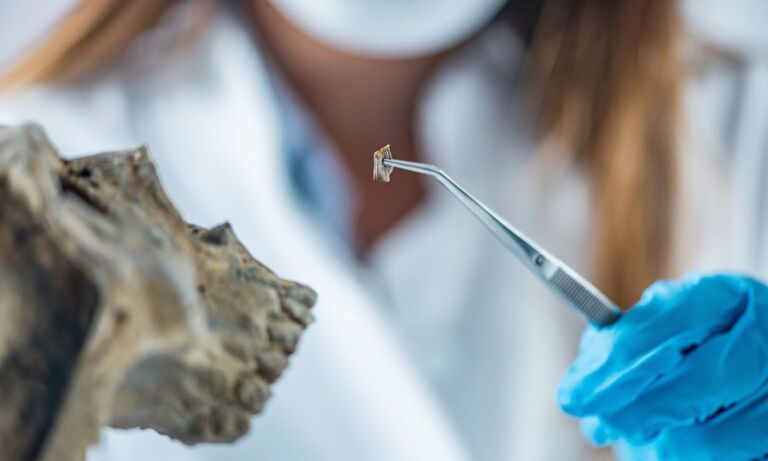
Like we said, the scientists were unable to get DNA samples from the three-year-old child that they first found. It is a different story altogether when it comes to the two other kids. As a matter of fact, the remains of “sunrise child-girl” proved to be an exceptionally good source of DNA.
It Offered Them DNA Samples
What It Said About Migration
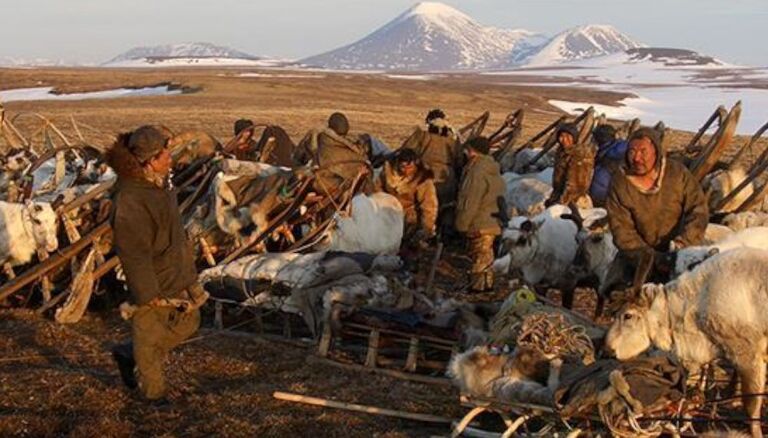
On top of that, the two babies proved to be even more valuable to archaeologists in a different way. They offer us more insight into the way humans reached North America. This location was once known as Beringia. This used to be a land bridge that connected present-day Alaska with Siberia 11,500 years ago.
What It Said About Migration
There Was Once A Land Bridge
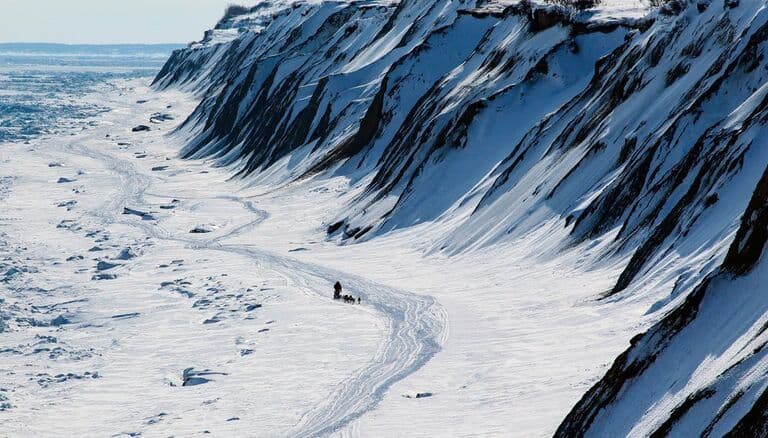
The land bridge vanished about 12,500 years in the past during the end of the last glaciations, which caused the rise of sea levels. While a lot of people call this period the last ice age, this is technically incorrect. Basically, we are still in one! However, it is a warm one known as the Quaternary. The period has gone on for almost 2.6 million years. This is considered an ice age because the poles remain frozen.
There Was Once A Land Bridge
Glaciation Periods Of The Ice Age
In this ice age, there have been glaciation periods. They are characterized by very cold weather in which the polar ice reached the equator. The last one ended about 12,5000 years in the past after lasting over 100,000 years. At its apex, a two-mile-deep ice field was lying over present-day New York City.
Glaciation Periods Of The Ice Age
It Had A Huge Impact
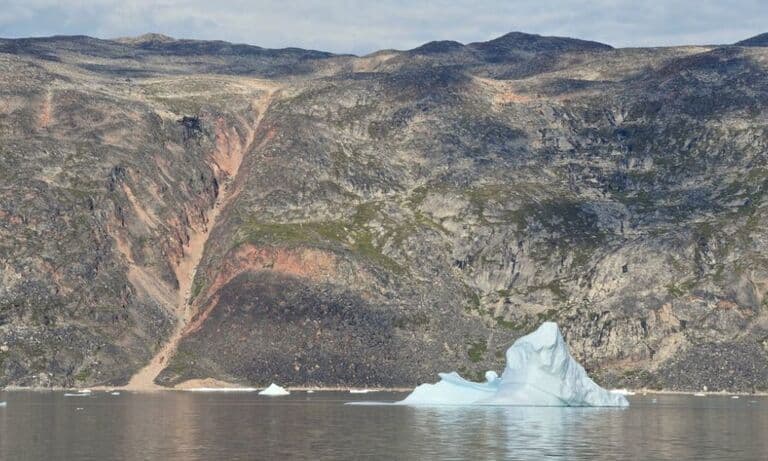
On top of that, one of the effects of the gigantic ice sheets was a large drop in the sea levels of the world. There was so much water in the ice that the oceans had been depleted back then. It is the reason the land between Siberia and Alaska had been exposed. In turn, this let humans cross to North America.
It Had A Huge Impact
What The Theory Says
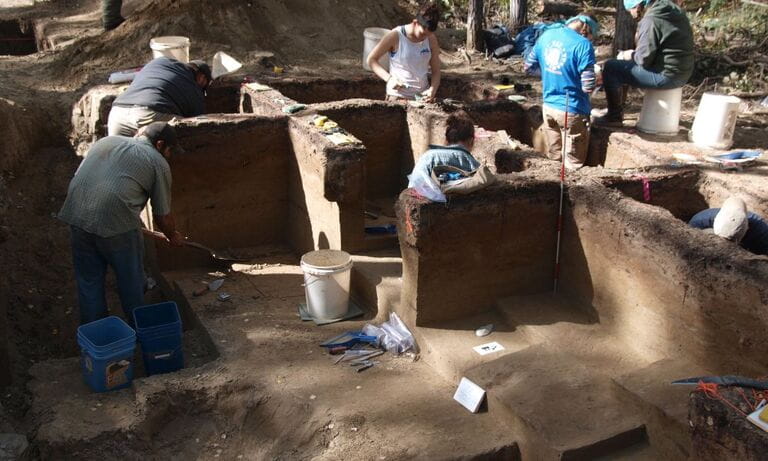
The first journeys from Siberia to Alaska probably took place over 30,000 years ago. Aside from that, these travelers probably stayed on the land bridge for quite some time. The glaciers that covered North America started to disintegrate 15,000 years ago. There is a theory saying that this served as their cue to make their way from Beringia to North America to further down south later on.
What The Theory Says
It Is Now Below The Sea
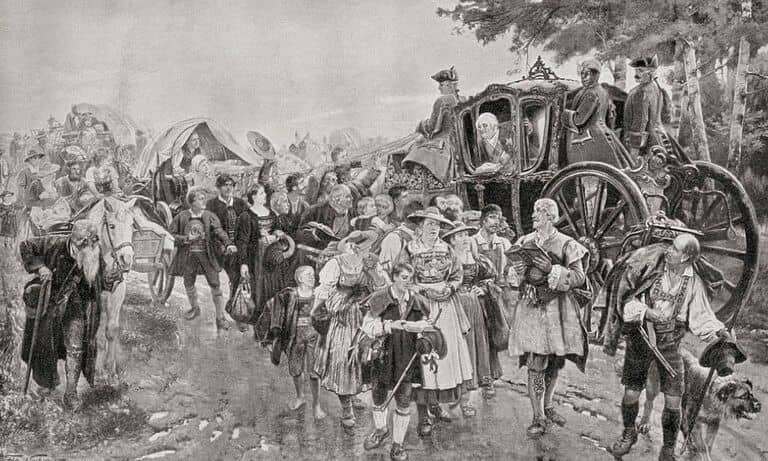
It goes without saying that human migration patterns have always been complex. Scientists still do not everything for sure. While it is thought that humans stayed at Beringia for an extended period, others believe that successive migration waves crossed the bridge and went south. Sadly, there is not much evidence to support the claims or otherwise. After all, Beringia is lying below the sea right now.
It Is Now Below The Sea
Successive Waves Of Migration
The Native Americans generally support the theory of successive migration waves. They belong to five distinct genetic bands called A, B, C, D, and X. The standstill theory goes that the diversity did not come from various groups from Siberia but from Beringia. It is said that a wave of people stayed at the land bridge so long that they developed a unique gene pool before future generations went to the Americas.

Successive Waves Of Migration
Thanks To Their DNA Samples
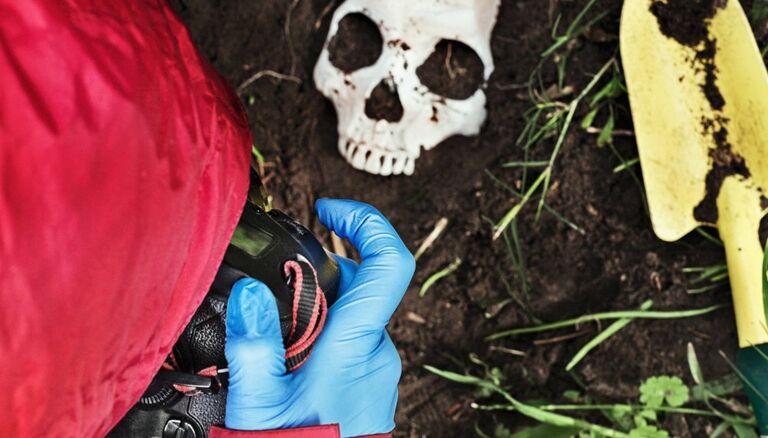
The remains of the two children offered new insights into the matter. Researchers learned more about the migration patterns during that period of time. Potter had stumbled upon the ancient remains, so the next thing to do was run them through tests. The DNA analysis proved to be exceptionally valuable.
Thanks To Their DNA Samples
A Closer Look At The Remains
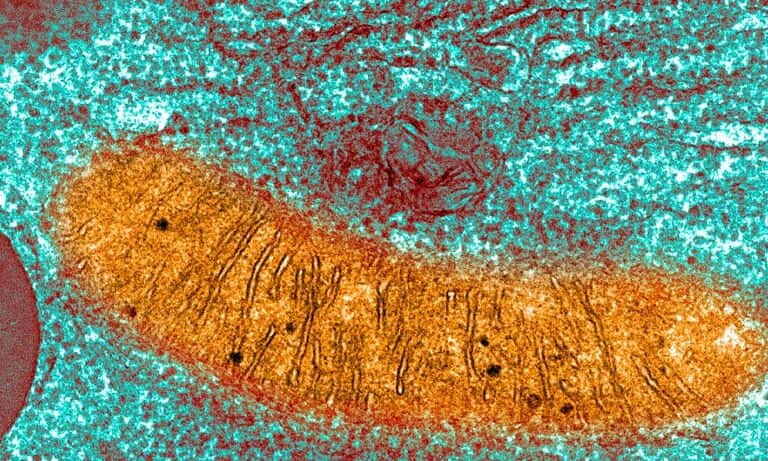
They then handed the remains of the two babies to a team of scientists led by Justin Tackney of the University of Utah. The group had been entrusted with the difficult task of obtaining genetic material from their bones. To be specific, their goal was to look for mitochondria.

A Closer Look At The Remains
The Powerhouses Of The Cell
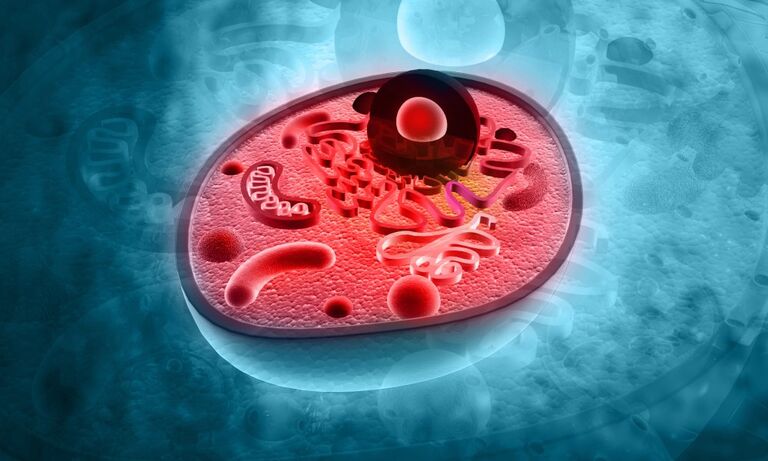
You might already know that these microscopic organelles are “the powerhouses of the cell.” The mitochondria work to transform the elements in our food into energy. Aside from that, it also captures and negates the effects of waste material. You can say that it is basically the building block of cellular life.
The Powerhouses Of The Cell
How They Were Useful To The Team
If you ask a biological anthropologist like Justin Tackney, you will learn that the mitochondria are valuable for another reason. Should they be able to extract DNA from the organelles in the bones, they can figure out the maternal lineage of the babies. It is a good thing that they managed to do exactly that using the remains of the little girls.
How They Were Useful To The Team
They Had Different Maternal Lineages
By the time they were done with the analysis, they were surprised by what they learned. The experts did not expect to find totally different maternal lineages! To be specific, one of them came from the C1b DNA subgroup. On the other hand, the other belonged to B2. This was surprising as the two children died and were buried together.

They Had Different Maternal Lineages
An Even More Detailed Test
A team of experts in Denmark ran the remains through a more detailed test. They focused on samples from the skull of the sunrise girl-child, the older of the two. The researchers compared her DNA to 167 different global populations across different periods of time. Their conclusion was that there was just one wave of migration from Beringia to the Americas, giving the “standstill model” credence. The tests showed that the two girls had mothers from distinct genetic groups. This made them believe that genetic diversity arose when the group occupied Beringia. In 2018, a scientist called Miguel Vilar told National Geographic, “Twenty years ago, we thought the peopling of America seemed quite simple, but then it turns out to be more complicated than anyone thought.”
An Even More Detailed Test